Multifoil Insulation:
Cut Heating Bills & Condensation in 2025
4th September 2025
Multifoil insulation is rapidly gaining popularity in the UK as a smart, lightweight alternative to traditional insulation. Whether you’re renovating a loft, upgrading a van, or improving a garden room, multifoil insulation provides high thermal performance with minimal thickness. This guide is for homeowners, self-builders, and retrofit contractors looking to reduce heat loss, manage condensation, and maximise internal space in 2025. Read on to discover how it works and why it could be the perfect solution for your next project.
What Is Multifoil Insulation?
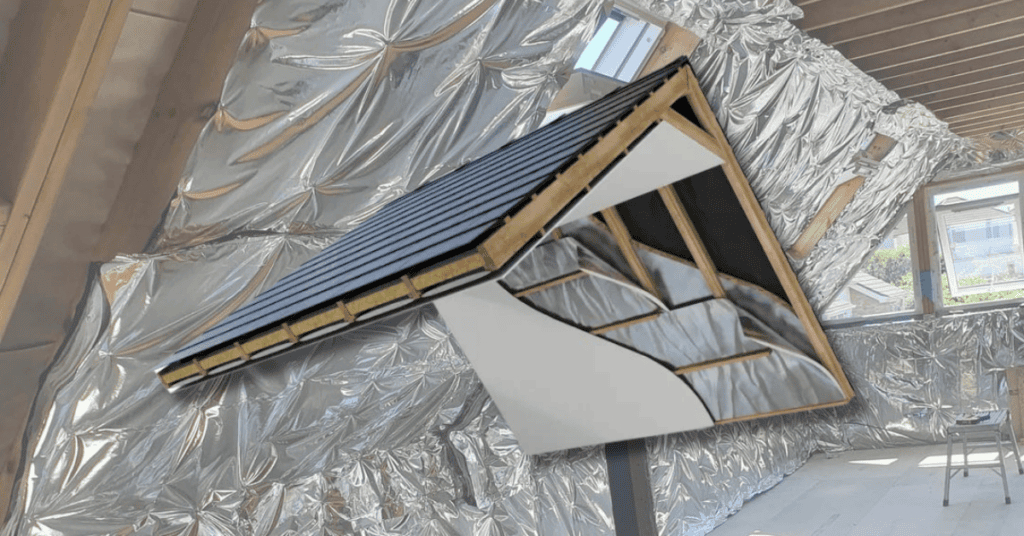
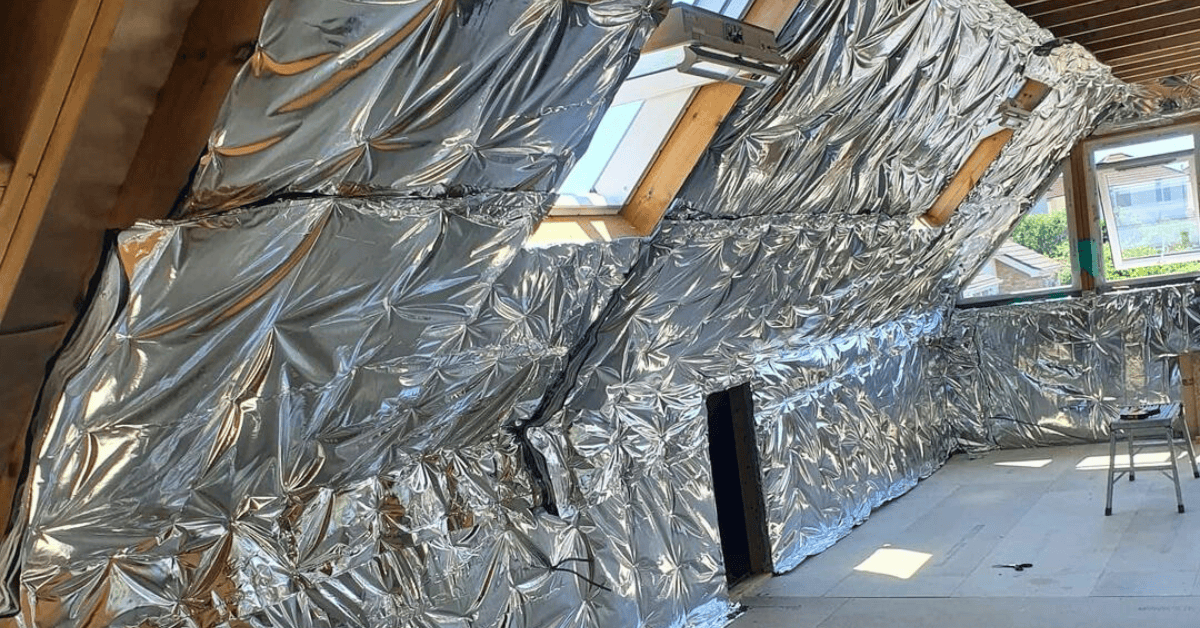
Multifoil insulation is a reflective, multi-layered material designed to prevent heat transfer through radiation, convection, and conduction. It typically includes layers of aluminium foil, foam, and wadding that work together to block cold and reflect heat back into a room.
Unlike bulky insulation boards or mineral wool, multifoils can be installed in tight spaces like rafters, walls, and floors without compromising performance. This makes them especially suitable for the UK market, where retrofitting existing homes with limited cavity space is a common challenge.
Why Choose Multifoil Over Traditional Insulation?
Multifoil insulation offers several unique advantages over conventional solutions:
- Slim Profile: It’s ideal for lofts, campervans, and garden buildings where every millimetre matters.
- Moisture Control: Many multifoils feature built-in vapour control layers to reduce the risk of damp and condensation, a rising concern as more people convert spaces for hybrid work/living.
- Thermal Reflection: The foil layers reflect radiant heat, improving thermal performance and making homes warmer in winter and cooler in summer.
- Installation Ease: Lightweight and flexible, multifoil can be installed with minimal tools and no specialist training. It’s perfect for DIY-ers and builders alike.
- Eco-Friendliness: Because it uses less material to deliver high thermal efficiency, multifoil reduces embodied carbon compared to thicker alternatives.
As fuel prices continue to remain volatile and energy efficiency standards tighten, multifoil provides a way to meet U-values without complex multi-product builds.
Trends Driving Multifoil Adoption in 2025
With energy bills still higher than pre-2022 levels, homeowners are urgently searching for ways to cut heating costs. Insulation remains the number one solution for reducing bills, and multifoil offers a low-mess, space-saving option.
The UK government continues to push retrofit programmes in 2025, including support for heat pumps and energy efficiency. Multifoil helps homes reach compliance while keeping renovation costs manageable.
There’s been a surge in demand for garden offices, off-grid living, and mobile spaces. These builds demand thin insulation with strong performance, especially in compact wall sections. Multifoil is often the only viable solution.
Homeowners are turning to self-renovation as inflation continues to pressure building costs. With multifoil, they can insulate roofs, floors, and walls without hiring contractors.
Combining multifoil with rigid boards or natural fibre insulation allows for hybrid systems that balance breathability, insulation, and condensation control.
Applications: Where Multifoil Shines
Loft Conversions: Especially under rafters where space is tight, multifoil helps meet Building Regulations without reducing headroom.
Van Insulation: Van conversions remain hugely popular on social media platforms like Instagram and TikTok. Builders prefer multifoil for its compact design and dual thermal/vapour resistance.
Garden Rooms & Pods: From prefab pods to summer houses turned home offices, these structures benefit from quick-fix, breathable insulation that meets modern thermal requirements.
Wall and Floor Retrofits: Internal wall insulation (IWI) is gaining traction, and multifoil makes it easy to add performance without major construction.
SIPS and Timber Frames: Builders are integrating multifoil into their timber frame and structural insulated panel systems to reduce thermal bridging and condensation issues.

Common Questions People Ask in 2025
Yes, many multifoil products are tested to EN standards and can be used to meet or exceed Part L requirements when installed correctly. Some carry BBA or BRE certification. Always check datasheets.
It depends. In some builds, multifoil can be used as a standalone solution. In others, especially for new builds, it works best in combination with other insulation types to meet compliance.
Yes. Its reflective layers help prevent overheating by reflecting solar gain away from the building, a key benefit with rising UK summer temperatures.
Typical multifoil insulation ranges from 11mm to 40mm, depending on layers. Despite the small profile, it can outperform much thicker mineral wool when correctly installed with air gaps.
Multifoil insulation uses less material overall, reduces embodied energy, and helps cut heating demand, making it a sustainable choice. Look for recyclable and responsibly sourced variants.
What to Look For in a Good Multifoil
BRE or BBA Certification:
Ensures tested performance in UK conditions.
True Vapour Control:
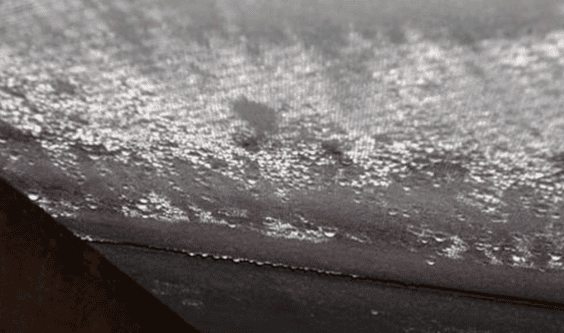
Not all foil products have effective vapour resistance.
Multi-Layer Composition:

More layers generally offer better thermal resistance and noise dampening.
Material Compatibility:
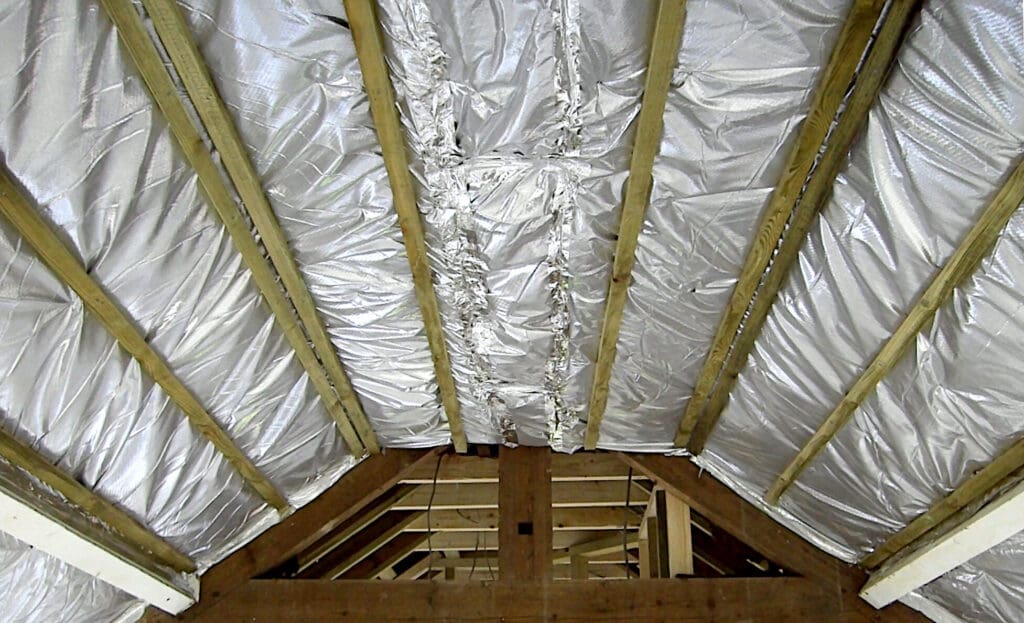
Choose products that pair well with plasterboard, OSB, and breathable membranes.
Pair multifoil with TLX Gold or equivalent vapour-control membranes for even better results in roofs and walls.
Final Thoughts
Multifoil insulation offers a modern, flexible, and energy-efficient way to reduce heat loss in 2025. With rising energy bills, limited space, and increasing demand for DIY-friendly, low-carbon upgrades, multifoil delivers what today’s homeowner or builder needs.
Whether you’re retrofitting a Victorian terrace, insulating a campervan, or building a smart garden room, multifoil could be your simplest route to better energy performance. Use this guide to choose the right product, understand where it fits in your system, and start cutting both heating bills and condensation risks today.