20th April 2026
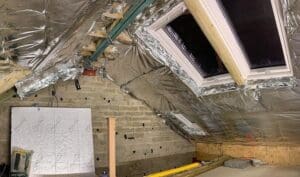
Condensation in pitched roofs is one of the most common and frustrating issues faced by homeowners, builders, and roofing contractors across the UK. It often starts subtly: a bit of damp insulation, a musty smell, or minor staining. But left unresolved, it can lead to serious structural problems, reduced insulation performance, and costly repairs.
If you’re searching for how to prevent condensation in pitched roofs UK, chances are you’re either dealing with an existing issue or trying to avoid one altogether during a new build or renovation. The good news is that condensation is preventable, but only when you understand what’s causing it and how to address it properly.
Why Condensation Happens in Pitched Roofs in the UK
To understand how to prevent condensation in pitched roofs UK, it’s important to first look at why it occurs.
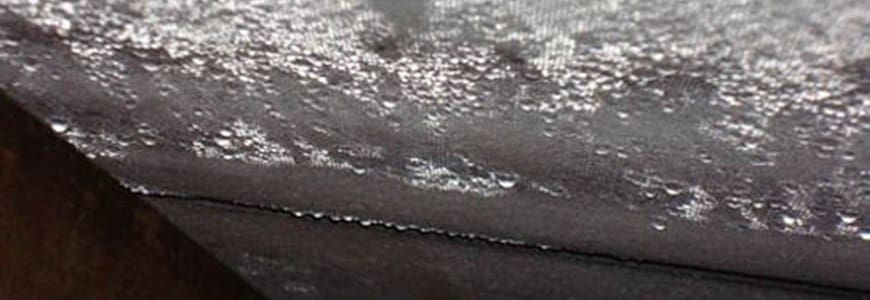
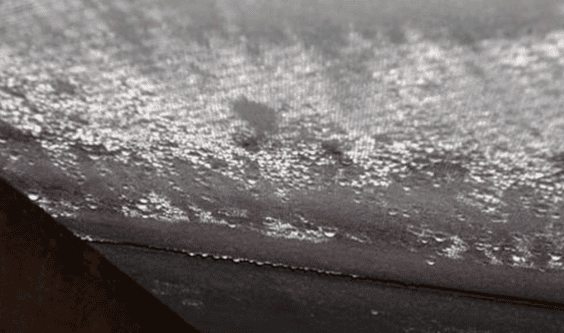
Condensation forms when warm, moisture-laden air rises from inside a property and comes into contact with colder surfaces within the roof structure. This is especially common in UK homes due to:
- High indoor humidity (cooking, showering, drying clothes)
- Cold external temperatures for much of the year
- Poorly designed or installed roof insulation systems
When this warm air reaches the underside of the roof covering or other cold surfaces, it cools rapidly and releases moisture in the form of condensation.
Over time, this trapped moisture can lead to:
- Damp insulation
- Timber decay
- Mould growth
- Reduced thermal efficiency
Common Mistakes That Lead to Roof Condensation
Many condensation issues aren’t due to one major fault, but a combination of smaller mistakes. Understanding these is key when considering how to prevent condensation in pitched roofs UK.
1. Relying Solely on Ventilation
While ventilation is important, it’s often over-relied upon. In many cases, ventilation alone cannot effectively manage moisture, especially during colder months when airflow is reduced.
2. Incorrect Use of Breather Membranes
Breathable membranes are designed to allow moisture vapour to escape, but if installed incorrectly — or used in the wrong roof build-up — they can actually contribute to condensation problems.
3. Gaps and Inconsistent Insulation
Traditional insulation methods can leave gaps or inconsistencies, allowing warm air to pass through and condense on cold surfaces.
4. Poor Airtightness
Uncontrolled air leakage is one of the biggest contributors to condensation. If warm air can easily move into the roof space, condensation becomes far more likely.

How to Prevent Condensation in Pitched Roofs UK: A Smarter Approach
When looking at how to prevent condensation in pitched roofs UK, the solution isn’t just about adding more insulation or increasing ventilation. It’s about creating a balanced roof system that controls airflow, manages moisture, and maintains consistent thermal performance.
A modern approach focuses on:
- Reducing uncontrolled air movement
- Minimising cold surfaces within the roof structure
- Providing a controlled path for moisture vapour
This is where multi-layer insulation systems are increasingly being used to simplify roof design while improving performance.
Why Traditional Methods Don’t Always Work
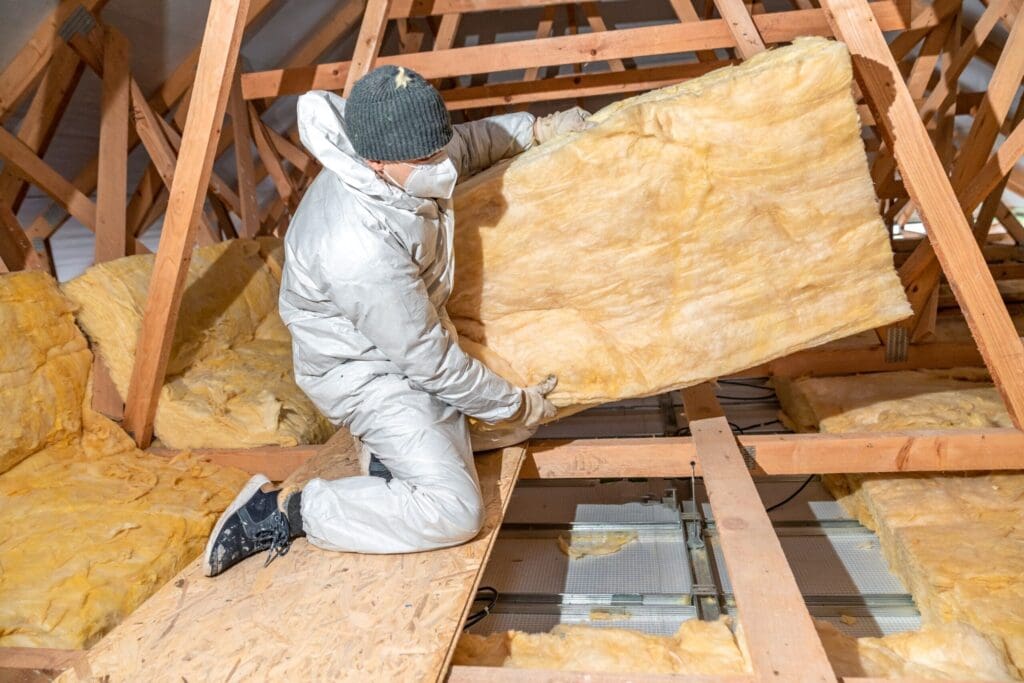
Traditional roof insulation methods often involve multiple components:
- Insulation between rafters
- Ventilation gaps
- Breather membranes
- Vapour control layers
While effective in theory, these systems can be:
- Complex to install correctly
- Time-consuming
- Prone to installation errors
Even small gaps or inconsistencies can compromise the entire system, making it harder to fully address how to prevent condensation in pitched roofs UK.
A More Reliable Way to Prevent Condensation
For many builders and contractors, the focus has shifted towards simplifying roof build-ups while maintaining high performance.
Using a multi-functional insulation layer can help:
- Improve airtightness
- Reduce the risk of warm air leakage
- Provide consistent coverage across the roof
- Support better moisture control
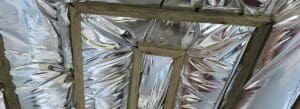
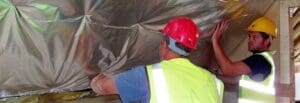
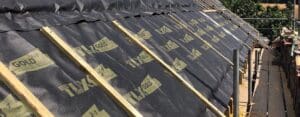
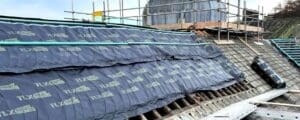
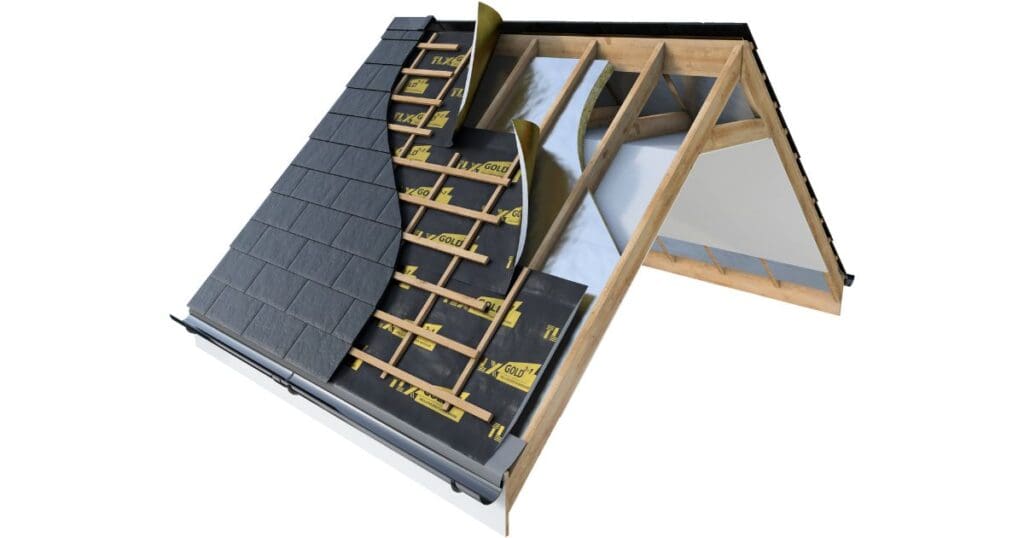
One example of this approach is TLX Gold, which is designed to act as both insulation and a control layer within pitched roof systems.

How TLX Gold Helps Prevent Condensation
When considering how to prevent condensation in pitched roofs UK, the key advantage of systems like TLX Gold is their ability to combine multiple functions into a single layer.
This helps to:
1. Reduce Air Leakage
By creating a more continuous layer across the rafters, it limits the movement of warm, moisture-laden air into the roof structure.
2. Improve Thermal Consistency
A more uniform insulation layer reduces cold spots where condensation is most likely to form.
3. Simplify Installation
Fewer components mean fewer opportunities for gaps, errors, or inconsistencies.
4. Support Moisture Management
Rather than relying purely on ventilation, it helps control how moisture moves through the roof system.
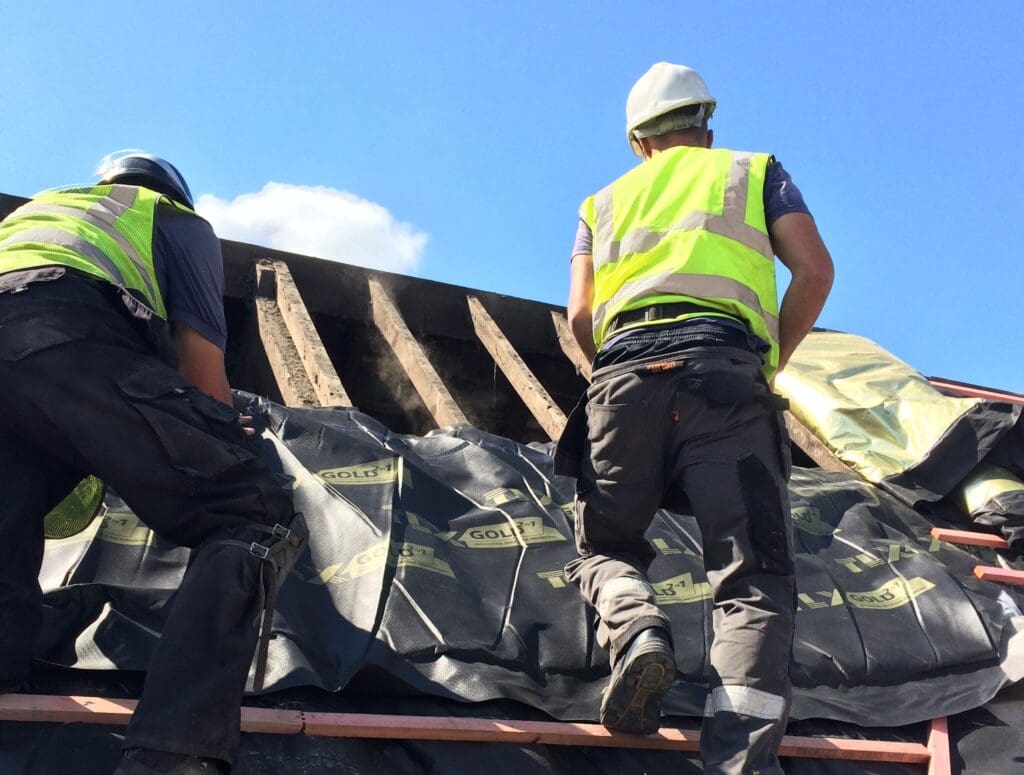
Real-World Scenarios Where Condensation Becomes a Problem
Understanding how to prevent condensation in pitched roofs UK is especially important in common project types such as:
Loft Conversions
Turning a loft into a living space introduces more heat and moisture into the roof area, increasing condensation risk.
Roof Refurbishments
Older roofs often lack modern airtightness and insulation standards, making them vulnerable to moisture issues.
New Builds
Even new properties can suffer from condensation if the roof system isn’t designed or installed correctly from the start.
What to Look for When Choosing a Solution
If you’re dealing with condensation — or planning a project where it could become an issue — it’s worth focusing on solutions that:
- Provide consistent coverage across the roof
- Help control air movement
- Reduce reliance on multiple separate components
- Are straightforward to install correctly
This is why many professionals are moving towards systems like TLX Gold, particularly in projects where reliability and ease of installation are key.
Taking the Next Step
Condensation in pitched roofs isn’t just a minor inconvenience — it’s a sign that something within the roof system isn’t working as it should. Addressing it early can prevent long-term damage, improve energy efficiency, and create a healthier living environment.
If you’re currently exploring how to prevent condensation in pitched roofs UK, or planning a project where moisture control is critical, getting the right advice early can make all the difference.
Whether you’re a contractor, developer, or homeowner, choosing a solution that simplifies installation while improving performance is key.
Speak to the team for expert advice on your project or find your nearest stockist to get started.