
As roofing systems continue to evolve to meet modern energy efficiency expectations, insulation technology has become a major area of discussion across the construction industry. Among the solutions gaining increased attention is multifoil insulation, particularly as contractors and homeowners look for materials that balance performance, practicality and space efficiency.
Despite its growing popularity, multifoil insulation performance is still widely misunderstood. Questions often arise around how it works, when it should be used, and how it compares to traditional insulation methods. By understanding how multifoil insulation functions in real-world roofing environments, roofing contractors and property owners can make more informed decisions when planning upgrades or retrofit projects.
Manufacturers such as TLX Insulation have developed multifoil insulation systems designed to deliver reliable roofing performance while addressing many of the common challenges faced during installation.
Why Multifoil Insulation Performance Is Being Discussed More Than Ever
The UK housing sector is under increasing pressure to improve energy efficiency. Particularly across older properties that were built long before modern insulation standards existed. As a result, roofing contractors are often tasked with upgrading roof structures where available space is limited, and installation conditions can be complex.
Traditional insulation solutions can sometimes struggle to meet modern performance requirements without requiring significant thickness. This has led to growing interest in alternative insulation technologies that can improve thermal performance while remaining practical to install.
Multifoil insulation performance is now being discussed more frequently because it offers a different approach to managing heat transfer within roof systems. When correctly designed and installed, it can help support improved thermal efficiency while reducing insulation build-up thickness Making it particularly suitable for retrofit roofing projects.
What Is Multifoil Insulation and How Does It Work?
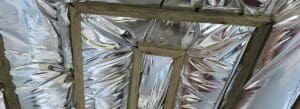
TLX Silver, which is a multifoil insulation is made up of multiple layers of reflective material combined with insulating wadding and vapour control elements. Unlike traditional bulk insulation, which primarily slows heat movement through material density Multifoil insulation focuses heavily on reducing radiant heat transfer.
Radiant heat transfer occurs when heat moves through open spaces, such as roof voids, via infrared radiation. Reflective surfaces within multifoil insulation help reduce this heat movement by reflecting heat back towards its source. This helps maintain warmer indoor temperatures during colder months and can also help reduce overheating during warmer periods.
For multifoil insulation performance to be effective. It is important that the product is installed alongside appropriate air gaps. These air spaces allow the reflective layers to operate efficiently, supporting the overall insulation performance of the roofing system.

Why Multifoil Insulation Performance Depends on Real-World Installation

One of the most important factors affecting multifoil insulation performance is installation quality. Like many building products Insulation systems achieve their best results when installed according to manufacturer guidance and within correctly designed roofing structures.
Air gaps play a critical role in allowing reflective insulation layers to function properly. Without sufficient airflow and spacing. The reflective surfaces cannot perform as intended. Proper installation also helps maintain ventilation pathways within the roof, which supports moisture control and reduces condensation risk.
Roofing contractors play a key role in determining final insulation performance. By ensuring insulation is fitted securely. By maintaining ventilation and integrating insulation layers correctly, contractors can maximise the benefits that multifoil insulation is designed to provide.
This highlights an important industry shift, where insulation performance is increasingly viewed as part of a complete roofing system rather than a standalone material.
Understanding Multifoil Insulation Performance in Hybrid Roof Systems
Modern roofing design often uses hybrid insulation systems that combine multiple insulation types to achieve improved thermal performance. Multifoil insulation works particularly well in these systems because it can complement traditional bulk insulation rather than replace it entirely.
When used alongside mineral wool or rigid board insulation. Multifoil layers can help improve airtightness and reduce radiant heat transfer. This combination allows roofing contractors to enhance overall roof system performance while reducing the total insulation thickness required.
Hybrid installations are becoming increasingly popular in retrofit roofing projects where rafter depth is limited. By combining insulation technologies. Builders can improve thermal performance while preserving internal living space and maintaining roof ventilation pathways.

Common Misunderstandings About Multifoil Insulation Performance

Although multifoil insulation has been used successfully in roofing systems for many years. Several misconceptions still exist. Understanding the facts behind these misunderstandings helps contractors and homeowners make better-informed decisions.
One common myth is that reflective insulation only works during warmer weather. In reality, reflective surfaces help reduce radiant heat transfer in both directions. Meaning they can help retain internal heat during colder months as well as reduce solar heat gain during summer.
Another misunderstanding is that multifoil insulation replaces all other insulation materials. In many roofing applications, multifoil insulation is designed to work as part of a layered system that enhances overall performance rather than acting as a single standalone solution.
There is also a belief that insulation thickness alone determines effectiveness. While thickness can contribute to insulation performance. Reflective technology focuses on reducing radiant heat movement, which is another important aspect of roof heat loss.
Finally, some installers assume multifoil insulation is difficult to install. In practice, many contractors find that its flexibility and lightweight design can make installation easier. Particularly when working within complex roof structures.
Why Roofing Contractors Are Using Multifoil Insulation More Frequently
As roofing projects become more focused on energy performance and installation efficiency. Contractors are increasingly turning to multifoil insulation systems. The flexibility of multifoil products can make them easier to handle and install compared to some bulk insulation materials. Particularly in confined roof spaces.
Multifoil insulation can also help reduce overall insulation build-up, which is especially valuable in loft conversions and refurbishment projects where maintaining internal room dimensions is essential. Faster installation can help contractors improve project timelines while still achieving strong thermal performance.
The ability to integrate multifoil insulation into hybrid roof systems also gives contractors greater flexibility when designing insulation solutions that meet both performance and structural requirements.

How Multifoil Insulation Performance Supports Energy Efficiency Improvements
Improving roof insulation plays a major role in reducing overall heat loss within residential properties. Because warm air naturally rises, roofs are one of the most significant areas where heat can escape if insulation is insufficient.
Multifoil insulation performance supports improved thermal efficiency by reducing radiant heat transfer and improving airtightness when installed correctly. This can help maintain more consistent internal temperatures and reduce heating demand during colder months.
For homeowners, improved insulation can support greater comfort and potentially lower energy costs. For developers and builders, installing effective roof insulation during refurbishment or construction projects can help improve overall property energy performance ratings and future-proof homes against tightening efficiency expectations.
How TLX Silver Supports Reliable Multifoil Insulation Performance
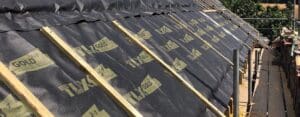
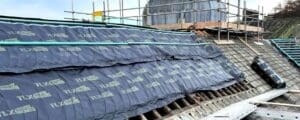
TLX Silver has been developed to provide reliable multifoil insulation performance within roofing systems. Particularly in retrofit and refurbishment projects. The product combines multi-layer insulation technology with a breathable membrane design. Helping manage both thermal efficiency and moisture control within the roof structure.
By reducing insulation thickness requirements. TLX Silver supports roofing projects where maintaining internal living space is important. Its design also supports integration into hybrid insulation systems. Allowing contractors to enhance overall roof performance without increasing structural depth.
The product’s flexibility can also assist installation efficiency, helping roofing professionals achieve consistent results while working within complex roof designs.
Where Multifoil Insulation Performance Makes the Biggest Difference
Multifoil insulation can provide valuable performance benefits across a range of residential roofing projects. Loft conversions often benefit from thinner insulation systems that help preserve headroom while improving energy efficiency.
Room-in-roof refurbishment projects, which commonly involve upgrading insulation within limited rafter depths, can also benefit from hybrid insulation systems incorporating multifoil layers. Extensions, dormer constructions, and full roof replacement projects may also use multifoil insulation to help balance performance and practicality.
Installation Considerations for Achieving Reliable Multifoil Insulation Performance
To achieve reliable multifoil insulation performance. Contractors should always follow manufacturer installation guidance and ensure correct air gaps are maintained. Proper integration with ventilation pathways helps reduce condensation risks and protects roof timbers over time.
Ensuring insulation is fitted securely and consistently across the roof structure helps support long-term thermal performance. Taking time to design insulation systems correctly helps maximise efficiency while supporting roof durability.
Why Multifoil Insulation Performance Is Driving Modern Roofing Solutions
As roofing standards continue to evolve. Insulation systems must deliver both performance and practicality. Multifoil insulation performance is helping roofing contractors and builders meet these demands by providing an effective solution that supports space efficiency. Installation flexibility and improved thermal performance.
By forming part of modern hybrid insulation systems. Multifoil insulation continues to play an important role in helping properties improve energy efficiency while supporting long-term roofing durability.
Need Advice on Multifoil Insulation Performance?
If you are planning a roofing project and want guidance on achieving reliable multifoil insulation performance, the technical team at TLX Insulation can help. They can provide advice on product suitability, installation methods and how to design insulation systems that deliver the best results for your project.