What Is Thermal Bridging, and Why Roofs Are Vulnerable
Thermal bridging occurs when heat moves through materials that conduct heat more readily than surrounding insulation. In roof constructions, these weak points are often found at junctions and interruptions in the insulation layer.
Typical examples include rafter lines, eaves details, roof-to-wall junctions, service penetrations, and areas where insulation is compressed or interrupted. Even when a roof meets minimum insulation requirements on paper, thermal bridges can undermine real‑world performance.
Roofs are particularly vulnerable because they combine different materials, timber, metal fasteners, membranes, insulation layers, all meeting in complex details. Warm air naturally rises, meaning any weakness in roof insulation can result in disproportionate heat loss.
Common Myths Around Thermal Bridging
One persistent myth is that simply adding more insulation automatically solves thermal bridging. In reality, increasing insulation thickness between rafters does little to address heat loss through the rafters themselves.
Another misconception is that thermal bridging is only a concern in commercial or large‑scale developments. In fact, small residential details, especially in loft conversions and refurbishments, often suffer the most due to limited build‑ups and legacy construction methods.
Finally, many assume thermal bridging only affects energy efficiency. In truth, it can also contribute to surface condensation, cold spots, and long‑term moisture issues, all of which impact comfort and building health.

Why Thermal Bridging Matters for Homes and Projects
Unchecked thermal bridging increases energy demand, leading to higher heating costs and reduced comfort. Cold surfaces created by thermal bridges can increase the risk of interstitial condensation, particularly during winter months, which may encourage mould growth and material degradation.
From a regulatory standpoint, building standards increasingly focus on fabric performance and real‑world efficiency, not just nominal insulation values. Addressing thermal bridging early allows builders and developers to achieve compliance more easily while delivering better outcomes for occupants.
For homeowners, reducing thermal bridging often leads to warmer rooms, fewer draughts, and more consistent indoor temperatures, benefits that are immediately noticeable once improvements are made.
How to Reduce Thermal Bridging in Roofs Effectively
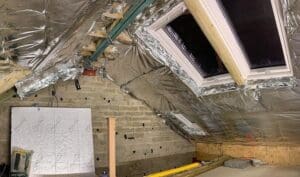
The most effective way to reduce thermal bridging in roofs is to create a continuous thermal layer that limits interruptions and wraps around structural elements wherever possible. This doesn’t always require major changes to roof height or structure, but it does require thoughtful insulation design.
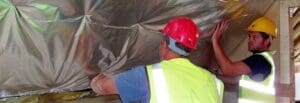
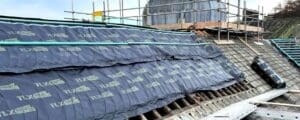
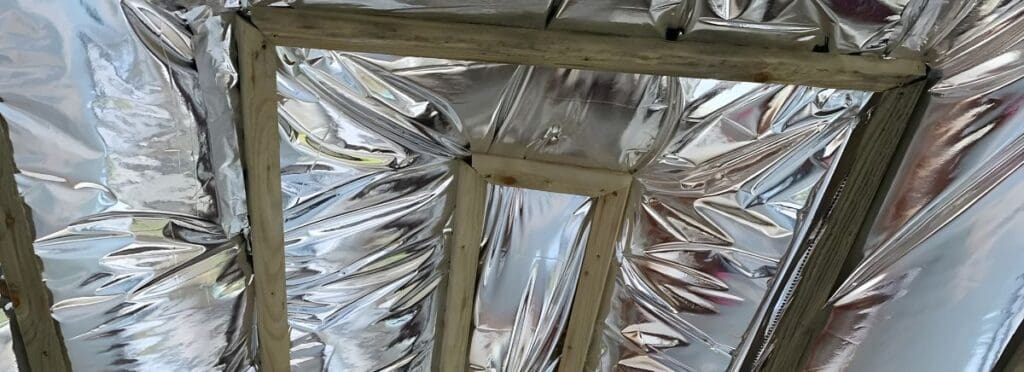
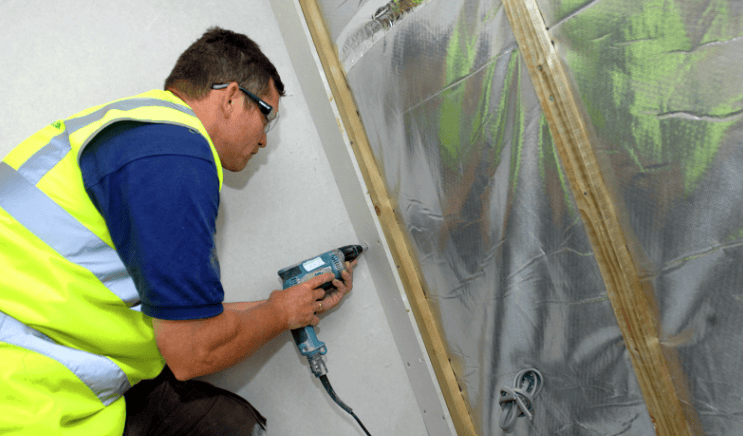
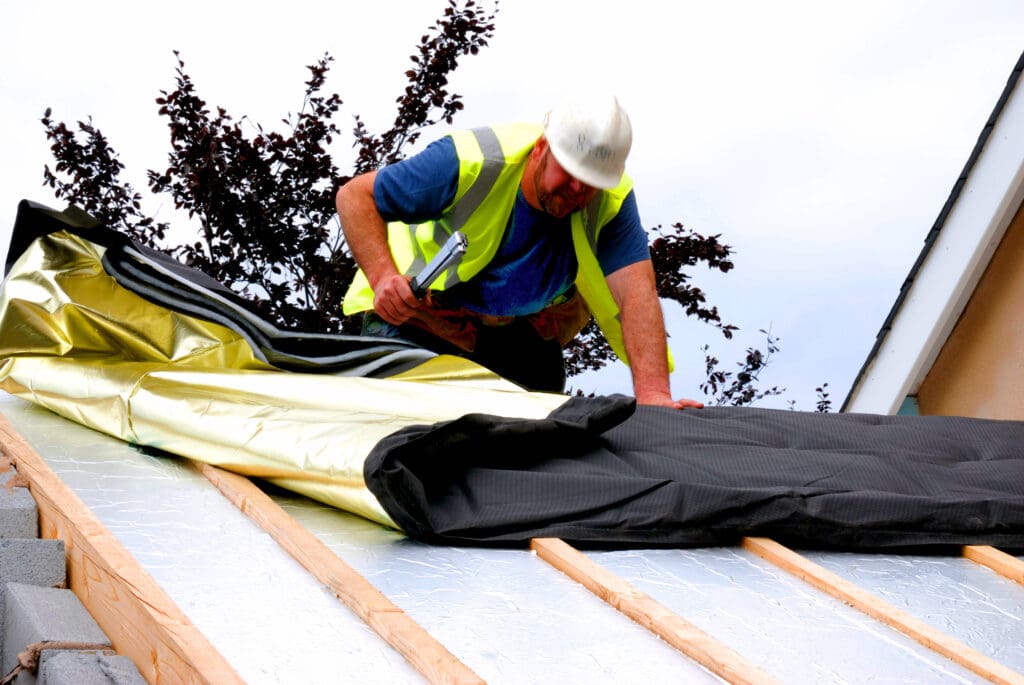
Modern reflective multifoil insulation systems are particularly effective in addressing this challenge. Installed across rafters rather than only between them, these systems help maintain continuity and reduce heat flow through timber components.
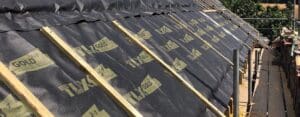
Products such as TLX Silver are designed to work as part of a complete roof system, providing insulation, vapour control, and thermal continuity in a single layer. By reducing the number of interfaces where heat can escape, they help minimise thermal bridging at critical junctions.
For projects with higher thermal performance demands, TLX Gold offers enhanced insulation capability while still maintaining a slim build‑up, particularly valuable in refurbishments and extensions where space is limited.
Thermal Bridging and Roof Junctions: Where Details Matter Most
Roof junctions are often where thermal bridging is most pronounced. Eaves, ridge details, dormers, and abutments all present opportunities for heat loss if not treated carefully.
Rather than relying solely on thick insulation in isolated areas, best practice focuses on overlapping insulation layers and ensuring continuity from roof to wall. This approach reduces cold spots and improves overall fabric performance.
In roof spaces where wildlife considerations apply, TLX Batsafe allows insulation upgrades to be carried out responsibly while maintaining continuity, helping projects meet performance objectives without compromising protected habitats.

A Smarter Approach to Roof Insulation Design
Reducing thermal bridging isn’t about adding complexity; it’s about understanding how heat moves through a structure and designing insulation systems accordingly.
Multi‑functional insulation products simplify this process by combining thermal performance, airtightness support, and vapour control in a single solution. This reduces reliance on multiple layers, tape interfaces, and complex detailing, a benefit for installers as much as for occupants.
For builders and roofing contractors, this approach can also reduce installation time and minimise the risk of performance gaps caused by inconsistent workmanship.
Frequently Asked Questions
No. While older buildings often have more pronounced thermal bridges, modern designs can suffer just as much if details are poorly handled.
Yes. Slim, high‑performance insulation systems are specifically designed to improve thermal continuity without increasing roof profiles.
In most cases, yes. Homeowners often notice warmer surfaces, fewer cold draughts, and more consistent room temperatures.
Final Thoughts: Making Roofs Work Smarter
Understanding how to reduce thermal bridging in roofs is one of the most effective ways to improve energy efficiency, comfort, and long‑term building performance. By focusing on continuity rather than thickness alone, roof designs can achieve better outcomes without unnecessary complexity.
If you’re planning a new project or upgrading an existing roof and want trusted guidance on insulation design, the TLX team is always happy to help.
Contact TLX Insulation for technical advice and product support tailored to your project.