17th March 2026
Across the construction and roofing industries, project timelines are becoming tighter while labour availability continues to present challenges. Builders, developers, and homeowners are all seeking ways to improve efficiency through solutions like faster roof insulation installation without compromising build quality or long-term performance.
Roof insulation plays a major role in construction speed, yet it is often overlooked as a factor influencing labour costs, installation complexity, and project delays. Traditional insulation methods can require multiple layers, careful handling, and extended installation time—all of which increases pressure on roofing contractors and project budgets.
Modern insulation solutions are helping address these challenges. Manufacturers such as TLX Insulation have developed systems designed to support faster roof insulation installation while maintaining strong thermal performance.
This guide explains how insulation choice can influence installation speed and why builders and specifiers are increasingly considering modern insulation approaches.
Why Installation Speed Matters in Roofing Projects
Roofing projects often sit on the critical path of construction timelines. Delays in roof installation can affect several other trades and extend overall project completion dates.
Labour Shortages Across Construction
The UK construction industry continues to face skilled labour shortages, particularly within roofing and specialist installation trades. Contractors are under pressure to complete projects efficiently while maintaining quality standards.
Reducing installation complexity can help contractors:
- Complete projects faster
- Improve workforce productivity
- Reduce installation errors
- Manage multiple projects more effectively
Impact on Project Costs
An extended installation time directly increases labour costs. Additional handling, cutting, and layering of insulation materials can quickly increase installation hours.
Developers and homeowners are increasingly recognising that faster installation methods can reduce overall build costs without compromising performance.
The Challenges of Traditional Roof Insulation Installation
Traditional insulation materials often require multiple installation stages to achieve compliance with thermal performance requirements.
Multi-Layer Installation Requirements
Conventional roofing insulation systems may involve:
- Separate insulation boards between rafters
- Additional insulation layers above rafters
- Vapour control membrane installation
- Additional sealing and taping stages
Each additional layer increases installation time and the potential for installation errors.
Handling and Cutting Difficulties
Rigid insulation boards and bulk materials can require extensive measuring, cutting, and fitting. These processes slow installation and increase material waste.
Heavy or awkward materials can also create handling challenges for roofing teams, particularly when working at height.
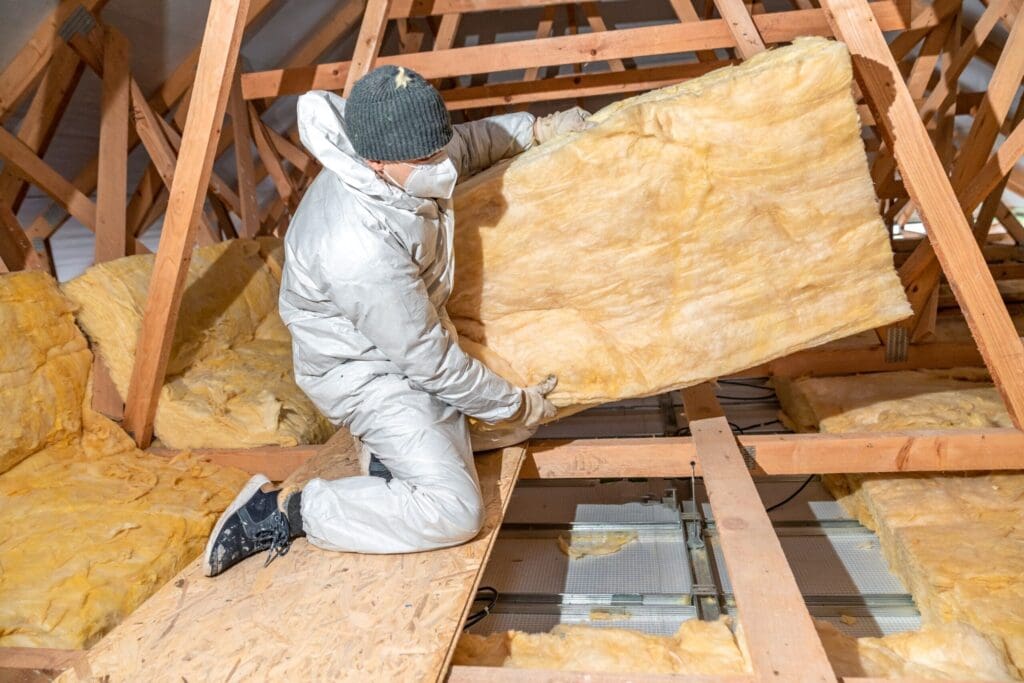
Faster Roof Insulation Installation – What Makes the Difference?

Modern insulation technology is designed to simplify installation by combining multiple performance functions into single-layer solutions.
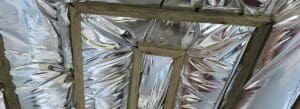
Reflective multifoil insulation systems reduce the need for multiple material layers by integrating thermal insulation. Vapour control, and air barrier performance into one product.
Key Features Supporting Faster Installation
Modern insulation systems help improve installation speed by:
- Reducing the number of layers required in roof build-ups
- Simplifying fixing methods
- Minimising cutting and trimming requirements
- Providing lightweight materials that are easier to handle on-site
These features allow roofing contractors to install insulation more efficiently while maintaining performance targets.
How TLX Silver Supports Faster Roof Insulation Installation
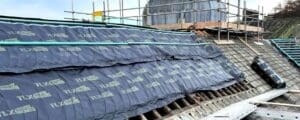
For builders and roofing contractors seeking faster roof insulation installation, TLX Silver provides a flexible solution designed to improve efficiency across a range of roofing applications.
Lightweight and Easy Handling
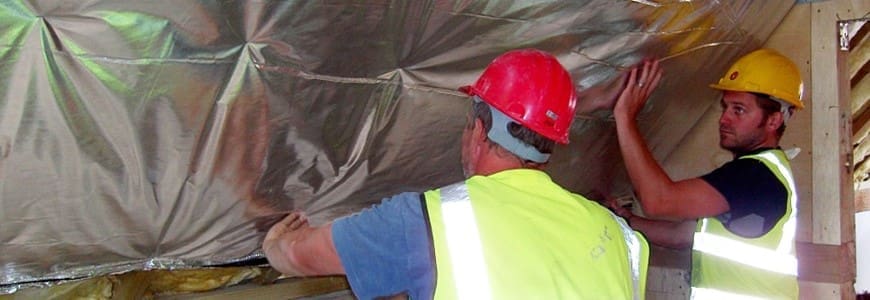
TLX Silver is designed to be lightweight and flexible. Allowing installers to handle and position insulation more easily compared with bulkier traditional materials.
This can help reduce fatigue during installation and support safer working conditions when operating at height.
Reduced Layer Requirements
By combining insulation performance and vapour control within one product. TLX Silver can reduce the number of separate installation stages required in roof construction.
Fewer installation steps can lead to:
- Reduced labour time
- Lower risk of installation errors
- Simplified roof build-up design
- Improved installation consistency
Flexible Application Across Roofing Projects
TLX Silver is suitable for a wide range of roofing types, including:
- Pitched roof construction
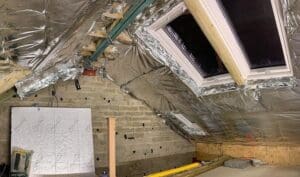
- Loft conversions
- Retrofit roof insulation upgrades
- Timber frame roofing systems
This flexibility allows contractors and developers to use consistent insulation strategies across multiple project types.

Benefits for Builders, Developers and Roofing Contractors
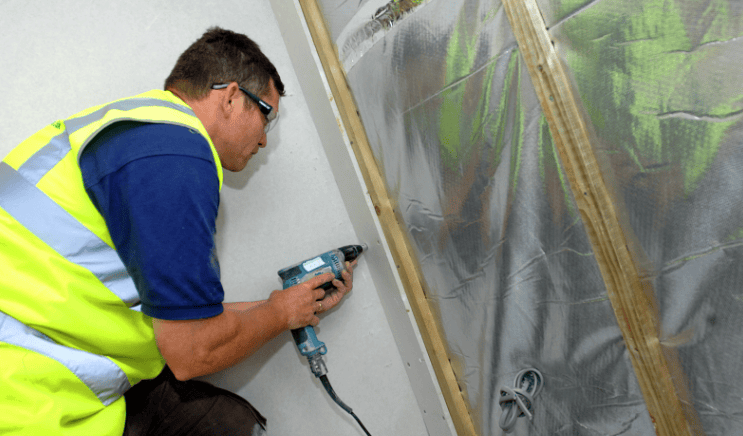
Choosing insulation designed for faster installation can provide measurable benefits across construction projects.
Improved Project Scheduling
Reducing insulation installation time helps roofing teams complete stages faster. Allowing other trades to begin work sooner. This can improve overall project flow and reduce delays.
Labour Cost Efficiency
Faster installation reduces the number of labour hours required for roof construction, helping contractors manage budgets more effectively.
Reduced Installation Risk
Simplified insulation systems reduce the risk of incorrect layering or gaps in insulation coverage, which can affect thermal performance and moisture control.
Advantages for Homeowners and Property Developers
While installation efficiency primarily benefits contractors. It also delivers important advantages for property owners and developers.
Faster Project Completion
Shorter installation timelines can help reduce disruption for homeowners during renovation or extension projects. Developers also benefit from quicker project turnaround, allowing properties to reach market readiness sooner.
Consistent Energy Performance
Modern insulation systems designed for installation efficiency still support strong thermal performance. Helping properties meet energy efficiency expectations and building regulation requirements.

Installation Considerations for Achieving Best Results
Although modern insulation solutions simplify installation, following correct installation practices remains essential for achieving performance targets.
Maintaining Air Gap Requirements
Reflective insulation systems rely on appropriate air gaps to maximise thermal efficiency. Installers should follow manufacturer guidance to maintain correct spacing.
Ensuring Continuous Coverage
Maintaining insulation continuity across rafters, junctions, and roof penetrations helps prevent cold bridging and air leakage.
Following Manufacturer Installation Guidance
Using recommended fixing methods and installation sequencing helps ensure insulation performs as intended over the long term.
Supporting Roofing Efficiency Through Early Planning
Builders, architects, and developers can improve project efficiency by considering insulation strategies during early design stages. Selecting insulation that supports faster installation can help reduce later construction complications.
Early insulation planning can help teams:
- Optimise roof build-up design
- Improve installation scheduling
- Reduce structural redesign requirements
- Improve cost forecasting accuracy
Conclusion
Construction efficiency is becoming increasingly important across the roofing and building industries. Faster roof insulation installation offers practical advantages for builders, developers, and homeowners seeking to reduce labour costs and improve project timelines.
Modern insulation solutions such as TLX Silver are designed to simplify installation while supporting strong thermal performance. By reducing material layers, improving handling, and simplifying build-up design. These systems help roofing contractors work more efficiently without compromising quality.
Considering installation efficiency alongside thermal performance during project planning can help improve construction outcomes, reduce costs, and support long-term building performance