
The way homes are designed and built across the UK is changing rapidly, with energy efficiency now sitting at the centre of construction standards. One of the most significant drivers behind this shift is the introduction of new regulatory targets aimed at reducing carbon emissions from residential buildings. As these changes approach, builders, developers and roofing contractors are increasingly focusing on future homes standard insulation and how it will impact roofing design, materials and installation methods.
Understanding how insulation requirements are evolving allows construction professionals to make better specification decisions today, helping ensure projects remain compliant and efficient long into the future. Manufacturers such as TLX Insulation are already developing insulation systems designed to help roofing professionals meet these emerging expectations while supporting practical installation requirements.
Why Future Homes Standard Insulation Is Becoming a Priority
The UK government has introduced the Future Homes Standard as part of its long-term plan to reduce carbon emissions from housing. The aim is to significantly reduce energy use in new homes by improving building fabric performance. Reducing reliance on fossil fuel heating systems.
Roof insulation plays a critical role in achieving these targets. Because heat naturally rises, roofs are one of the most common areas where energy is lost if insulation is insufficient. As insulation performance requirements increase. Roofing systems must deliver improved thermal efficiency while maintaining structural durability and moisture control.
Future homes standard insulation is therefore becoming a key focus for builders and developers who want to ensure properties remain compliant with upcoming regulations and continue to meet buyer expectations around comfort and energy efficiency.

How Roofing Specifications Are Evolving

Roofing specifications have traditionally focused on providing weather protection and structural stability. While these remain essential functions. Insulation performance is now becoming equally important when designing roofing systems.
Modern roofing specifications must consider how insulation interacts with ventilation. Moisture management and airtightness. Achieving strong thermal performance is no longer just about increasing insulation thickness. Instead, roofing systems must be carefully designed to work as integrated building envelopes that reduce heat loss while maintaining healthy airflow.
As performance expectations increase, roofing contractors are often required to work with more advanced insulation systems that deliver high levels of thermal efficiency without adding excessive depth to roof structures. This shift is driving demand for innovative insulation solutions that support future homes standard insulation requirements while remaining practical to install.
The Fabric-First Approach and Why It Matters
A major principle behind future homes standard insulation is the fabric-first approach. This design philosophy focuses on improving the building structure itself so that homes retain heat more effectively. Reducing the need for high energy consumption.
By improving insulation performance within the roof, walls and floors, properties can maintain comfortable internal temperatures with less reliance on heating systems. This approach helps reduce long-term energy costs for homeowners while supporting environmental sustainability goals.
For builders and developers, adopting fabric-first insulation strategies during construction can help avoid costly upgrades later. Roofing systems designed with future homes standard insulation in mind are better positioned to meet evolving building regulations and market expectations.
Why Roof Insulation Is One of the Most Important Areas for Compliance

Heat loss through roofs can account for a significant proportion of overall building energy loss. As insulation standards continue to tighten. Roof design must focus on achieving improved thermal performance while ensuring long-term durability.
Future homes standard insulation requires roofing systems that reduce thermal bridging and support airtight construction. Thermal bridging occurs when heat escapes through structural elements such as rafters or junctions between materials. Minimising these heat loss pathways is becoming increasingly important in modern roofing design.
Improved roof insulation also helps maintain stable internal temperatures, which supports occupant comfort throughout the year. By reducing heat escape during winter and limiting heat gain during summer. Effective insulation contributes to healthier and more energy-efficient living environments.
Challenges Builders Face When Meeting Future Insulation Standards
While future homes standard insulation brings clear benefits. It can also present challenges for builders and roofing contractors. Achieving higher performance levels often requires careful planning around roof structure depth, ventilation pathways and insulation layering.
Traditional insulation materials may require greater thickness to meet improved thermal targets. In retrofit projects or developments with limited roof depth. This can create difficulties when trying to maintain internal space or structural integrity.
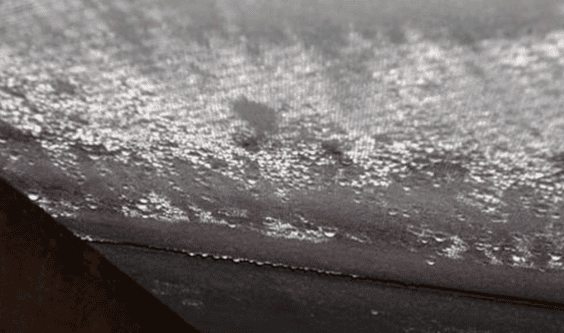
Contractors must also consider moisture control when installing high-performance insulation. Without proper ventilation and breathable membrane systems. Condensation can develop within roof structures, potentially damaging timber elements and reducing insulation effectiveness.
These challenges highlight the importance of selecting insulation systems designed to deliver strong performance while supporting moisture management and installation flexibility.
How Future Homes Standard Insulation Is Influencing Retrofit Projects
Although the Future Homes Standard focuses primarily on new-build properties. Its influence is already shaping retrofit and refurbishment projects. Homeowners and developers are increasingly aiming to upgrade existing properties to match future performance expectations.
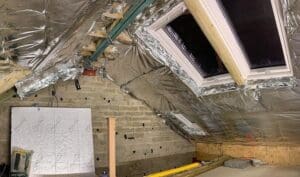
Roof refurbishments and loft conversions are particularly affected by this trend. Upgrading insulation during these projects provides an opportunity to improve overall property efficiency while increasing living space. However, retrofit work often involves limited structural depth and unpredictable installation environments.
Future homes standard insulation solutions designed for retrofit roofing can help builders improve performance without major structural alterations. This allows properties to benefit from improved energy efficiency while maintaining usable internal space.
How TLX Gold Supports Future Homes Standard Insulation Requirements
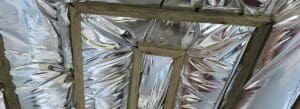
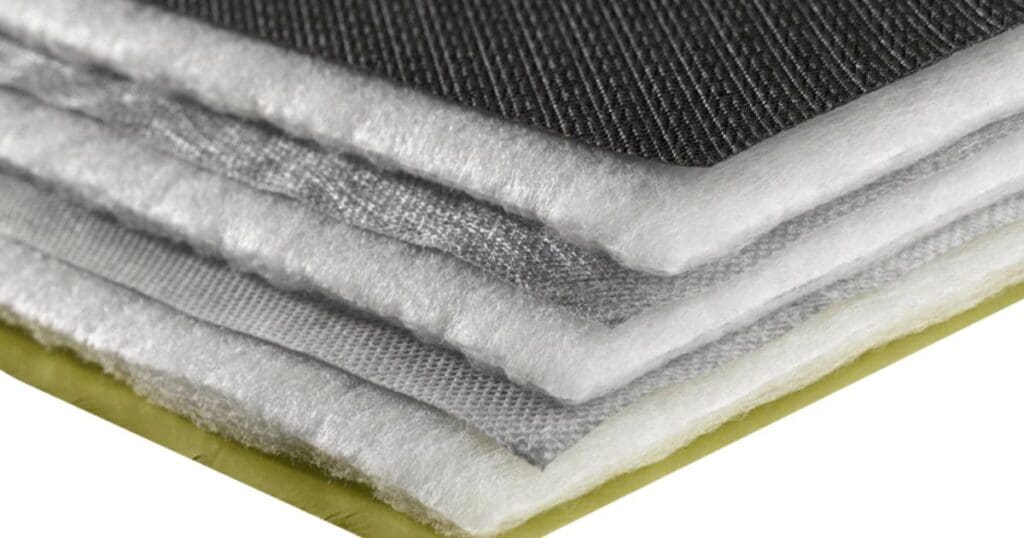
TLX Gold has been developed to help roofing professionals meet the increasing demands of future homes standard insulation. The product is designed to provide high levels of thermal performance while supporting breathable roof system design.
Its multi-layer insulation construction helps improve energy efficiency while helping reduce insulation build-up thickness. This makes it particularly suitable for both new-build developments and refurbishment projects where maintaining roof structure depth is important.
TLX Gold also supports improved airtightness and moisture management within roofing systems. By helping reduce condensation risk and supporting ventilation performance. It contributes to long-term roof durability while helping builders achieve reliable insulation performance.
For roofing contractors, the product’s design supports installation efficiency and flexibility. Allowing it to integrate effectively into modern roofing systems designed to meet evolving insulation standards.
Long-Term Benefits of Designing Roofs Around Future Insulation Standards
Designing roofing systems with future homes standard insulation in mind offers long-term advantages for builders, developers and homeowners. Properties built or upgraded to higher insulation standards can benefit from reduced heating demand and improved internal comfort.
Higher-performing insulation can also support improved property energy ratings, which are becoming increasingly important for buyers and tenants. As energy costs continue to rise, homes with effective insulation are likely to remain more attractive within the housing market.
From a construction perspective, designing roofing systems to meet future standards reduces the likelihood of costly upgrades as regulations continue to evolve. Investing in high-performance insulation during initial construction or refurbishment helps support long-term building value and sustainability.
Installation Considerations for Future Homes Standard Insulation
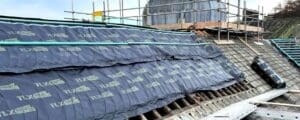
Achieving reliable insulation performance requires careful installation planning. Roofing contractors should ensure insulation systems are installed according to manufacturer guidance and integrated correctly with ventilation and membrane layers.
Maintaining airflow within roof voids helps prevent condensation and protects structural timber elements. Ensuring insulation is fitted consistently across roof structures helps reduce thermal bridging and supports long-term performance.
Selecting insulation products designed to work as part of complete roofing systems helps simplify installation while supporting compliance with future homes standard insulation requirements.
Why Future Homes Standard Insulation Is Shaping the Future of Roofing
As energy efficiency expectations continue to rise, roofing specifications are evolving to prioritise insulation performance, moisture management and airtight construction. Future homes standard insulation is driving innovation across roofing materials and installation methods. Helping ensure homes deliver long-term energy efficiency and occupant comfort.
By selecting insulation systems designed to meet these evolving standards. Builders and roofing contractors can deliver roofing solutions that remain compliant, durable and energy efficient for years to come.
Need Advice on Future Homes Standard Insulation?
If you are planning a roofing project and want to ensure your insulation meets future performance expectations, the technical team at TLX Insulation can help. They can provide guidance on product suitability, installation recommendations, and how to design roofing systems that support future homes’ standard insulation requirements.