
If your property is prone to condensation then itâₒs important to manage the risk as quickly as possible: with condensation, like with so many problems, prevention is better than a cause. In the long-term, condensation can lead to mould, which can lead to health problems, and be very difficult to remove. With that in mind, here’s everything you need to know about condensation and how you can manage condensation risk:
What is Condensation?
Condensation is described in the Encarta English Dictionary as Å“tiny drops of water that form on a cold surface such as a window when warmer air comes in contact with itÂ. We have all experienced condensation in a building at one time or another. Whether itâₒs early morning condensation in your windows, or condensation dripping down your tiles after a hot shower. But perhaps the most worrisome type of condensation is the condensation you wonâₒt necessarily see: interstitial condensation.
Interstitial condensation is a type of condensation that occurs in enclosed areas of your home. This could be your roof space, enclosed walls, or floor cavity structures. The result of interstitial condensation is damp, as liquid becomes trapped in these enclosed spaces. As a result, interstitial condensation can lead to:
|
|
|
|
|
To learn more about condensation, kindly check here.
Where Does Condensation Occur?
Condensation largely builds up in two different areas, depending on the type of condensation you are dealing with. Surface condensation occurs on visible surfaces inside a building. A common example of this is when the windows inside your home steam up on a cold day. Other examples of surface condensation you may see are interior fabrics becoming damp and damaged, and condensation forming on interior walls. When condensation forms on walls, it can get behind finishes like paper, tiles, and paint. This can cause the plaster on your walls to swell and can even cause the wall tiles to fall off. Condensation can also lead to black mould, which can cause allergies and breathing issues.
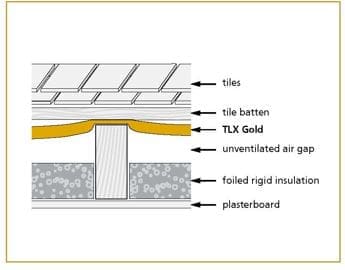
Interstitial condensation occurs within the elements of a buildings structure. This means that you are most likely to experience this kind of condensation in locations such as the property’s walls, floors, and roof. Whilst interstitial condensation is not as visible as surface condensation, it is more problematic to the structure of a property, and has to be prevented.
How to Prevent Condensation
Prevention is always better than cure! Condensation risk is managed in different ways. In some cases, you can use ventilation to manage condensation, particularly in rooms such as the bathroom and kitchen. Some of the forms this ventilation takes include installing vents, adding trickle vents to window frames, and installing mechanical ventilation. This method allows controlled air changes, but some homeowners feel that having too many vents exposes their property to drafts and allows additional heat loss from their homes.
 As well as insulating your roof, you should also ask your roofer to ensure all cracks are sealed and seal where wires and services go through the ceiling and ensure that your roof hatch is well sealed. But when it comes to insulating your roof, what kind of insulation should you use?
How does TLX Silver Manage Condensation Risk?
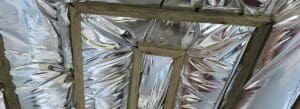
TLX Silver is multifoil roof insulation designed to meet the energy efficiency needs of both new and existing buildings. It is an ideal solution for managing condensation risk and is the UK’s leading product when it comes to multifoil insulation technology. If your goal is to prevent condensation from forming before it begins, then TLX silver is a great product to utilise.
How does TLX Gold Manage Condensation Risk?
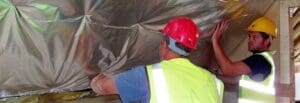
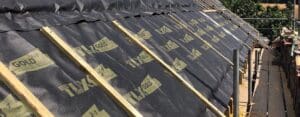
TLX Gold is multifoil insulation, and the best solution if your home is particularly prone to condensation. TLX Gold is Sd intelligent (the more moisture present, the more it breathes) which is why there’s no condensation risk, even without a vapour barrier. What’s more, the product is designed for easy installation by the modern roofer. Fully BAA certified and specifically designed to improve the thermal value of your roof, if you’re looking for a product to manage the condensation risk of your property then this is an ideal solution. Your roofer won’t even need to remove your existing insulation to install it.
Do you Require a Bespoke Solution?
We would love to hear from you. Our helpful team of product experts are on hand to help with bespoke solutions and U-value calculations. Simply call 01204 674730.
Also, our LABC-approved solutions guide has a wide range of pre-calculated solutions. You can download your free copy from the footer below.