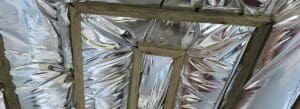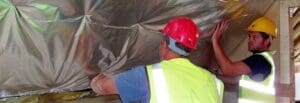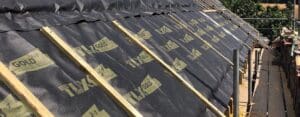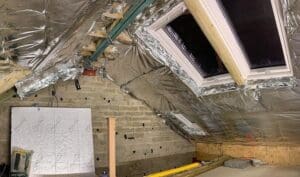
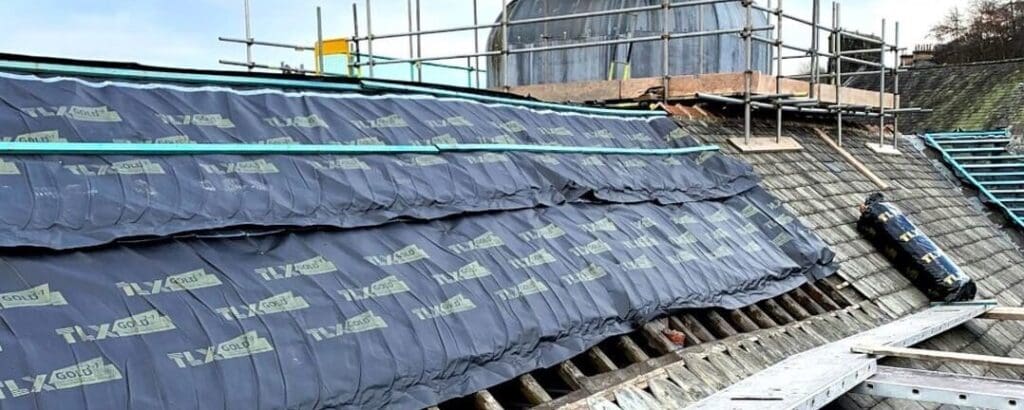
Warm Roof Insulation Without Increasing Roof Height is now achievable, addressing the common challenge in modern roofing projects of improving thermal performance without altering the roof profile. Whether working on a loft conversion, extension, or new build, increasing insulation thickness can create complications with planning approval, structural design, and installation costs. Many builders, architects, and homeowners assume that achieving high thermal performance automatically requires deeper rafters or raising roof levels. However, advances in insulation technology are changing how warm roof systems are designed and installed. Manufacturers such as TLX Insulation have developed solutions that help projects meet performance targets while maintaining slimmer roof structures. This guide explains why warm roof insulation without increasing roof height is becoming a preferred approach across residential and commercial construction.
Why Roof Height Matters in Modern Construction
Roof height is often tightly controlled during construction and renovation projects. Even small changes to the external roofline can create significant challenges for planning approval and structural compatibility.
Planning and Aesthetic Restrictions
Local planning authorities frequently limit alterations to rooflines, especially in:
- Loft conversions
- Extensions attached to existing buildings
- Conservation areas and heritage properties
- Properties with height restrictions or overlooking concerns
Maintaining the original roof profile can be essential for obtaining approval. Increasing insulation thickness using traditional materials can unintentionally raise ridge height or change roof pitch, creating complications that delay projects.
Structural and Cost Implications
Altering roof height may also require:
- Larger rafters or structural reinforcement
- Changes to guttering and drainage systems
- Adjustments to adjoining roofs or neighbouring structures
- Increased labour and material costs
For developers and contractors, maintaining the existing roof depth can significantly simplify project timelines and budgets.
The Traditional Warm Roof Build-Up Problem
Warm roof systems place insulation above or within the rafter line to create a continuous thermal envelope. While effective, traditional insulation materials often require substantial thickness to meet modern thermal performance standards.
Increased Roof Build-Up Thickness
Conventional rigid board insulation typically requires deeper build-ups to achieve target U-values. This can result in:
- Raised roof height
- Reduced internal headroom
- Increased material layering
- Complex ventilation detailing
Ventilation and Moisture Challenges
Traditional warm roof systems often rely on carefully designed ventilation gaps to prevent condensation. Incorrect installation or restricted airflow can lead to moisture build-up, which risks long-term roof damage.
These challenges have encouraged the industry to explore alternative insulation technologies that maintain performance while reducing structural impact.
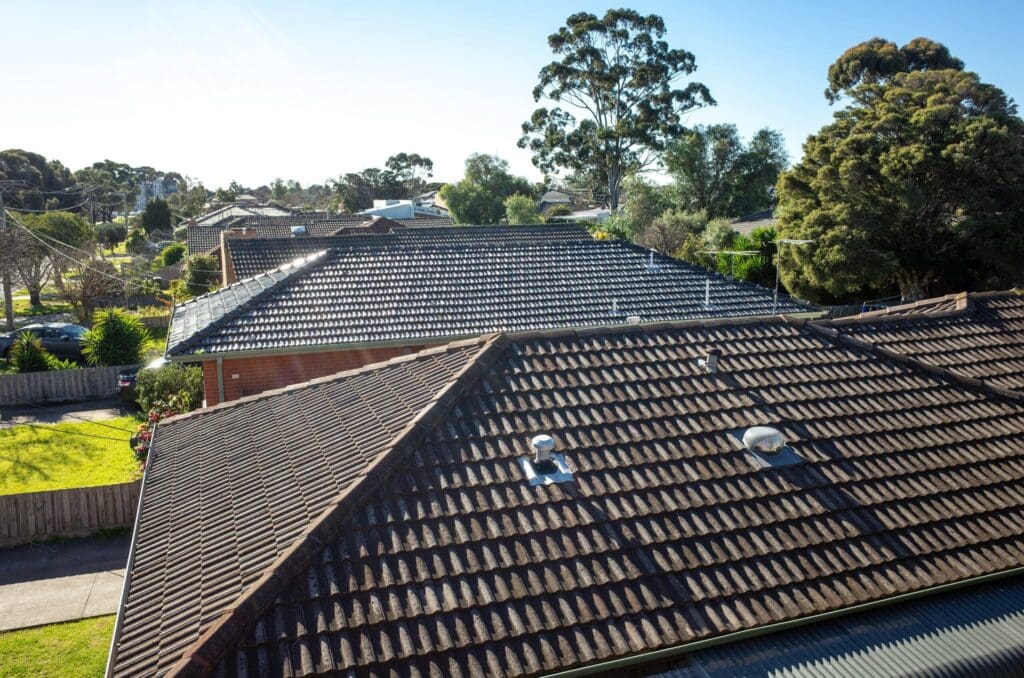
Warm Roof Insulation Without Increasing Roof Height – Is It Possible?

Advances in reflective multifoil insulation have made it possible to achieve strong thermal performance within slimmer roof structures.
Multilayer insulation systems use combinations of reflective surfaces. Insulating wadding, and vapour control layers to create high-performing thermal barriers. These systems are designed to maximise energy efficiency without relying solely on thickness.
How Modern Multifoil Insulation Works
Multifoil insulation operates by:
- Reflecting radiant heat back into the building during colder months
- Reducing heat gain during warmer weather
- Minimising air leakage through integrated vapour control layers
- Supporting moisture management within roof structures
By combining several performance functions into a single product, multifoil insulation can help reduce the overall depth required in warm roof construction.
How TLX Silver Helps Achieve High Thermal Performance in Slim Roof Structures
For projects requiring warm roof insulation without increasing the roof height. TLX Silver offers a solution designed to support both thermal performance and installation efficiency.
Combined Performance Layers
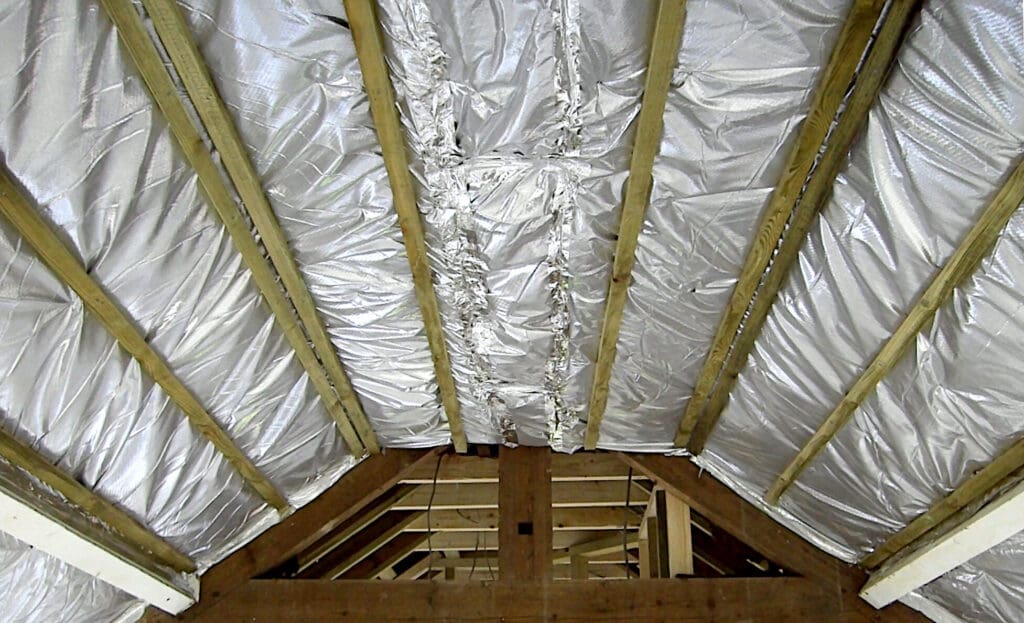
TLX Gold integrates multiple functional layers within a single insulation system, including:
- Reflective insulation surfaces
- Insulating fibre core materials
- Integrated vapour control functionality
This layered approach helps maintain strong thermal performance while reducing the need for excessive build-up thickness.
Supporting Reduced Roof Depth
By combining insulation and vapour control into one product, TLX Gold helps builders and developers:
- Minimise overall roof build-up depth
- Maintain original rooflines for planning approval
- Simplify installation sequencing
- Reduce reliance on additional membrane layers
For projects where roof profile preservation is essential, this approach can offer practical and cost-effective advantages.
Where This Approach Works Best

Warm roof insulation without increasing roof height is particularly valuable in several types of construction projects.
Loft Conversions
Maintaining headroom is critical in loft conversions. Slim insulation solutions help maximise internal living space while still meeting energy efficiency requirements.
Extension Roofs
Extensions often need to match existing rooflines. Reducing insulation thickness helps achieve seamless integration with the original structure.
Heritage and Planning-Sensitive Projects
Properties located in conservation areas or those subject to planning restrictions often require minimal external alterations. Slim warm roof insulation can support compliance while protecting building character.
Timber Frame Roofing
Timber frame construction benefits from insulation systems that integrate vapour control. Helping protect structural timber from moisture-related damage.
Retrofit Energy Upgrades
Retrofitting older properties often involves working within fixed structural dimensions. Slim insulation solutions allow performance improvements without major roof alterations.
Installation Considerations for Builders and Contractors
Achieving the full benefits of warm roof insulation requires correct installation practices. While modern insulation systems simplify many aspects of construction. Attention to detail remains important.
Maintaining Correct Air Gaps
Reflective insulation performance depends on appropriate air gaps being maintained during installation. These gaps help maximise radiant heat reflection and overall thermal efficiency.
Installation Sequencing
Builders should ensure insulation layers are installed according to manufacturer guidance. Particularly when integrating with roof membranes, battens, and internal finishes.
Supporting Thermal Performance Targets
Proper sealing and continuity across insulation layers help prevent cold bridging and air leakage. Maintaining consistent coverage across rafters and junctions supports compliance with building performance targets.

Choosing the Right Insulation Strategy for Planning Approval
Architects and developers increasingly prioritise insulation strategies during early project design stages. Selecting insulation that supports slim warm roof construction can improve both compliance and planning outcomes.
Considering insulation early helps teams:
- Avoid structural redesigns later in the project
- Maintain roof aesthetics and building proportions
- Improve energy efficiency performance
- Reduce construction complexity
By focusing on insulation strategies that minimise build-up thickness, projects can balance performance requirements with planning constraints more effectively.
When to Speak to Insulation Specialists
Choosing the correct warm roof insulation system can significantly influence project performance, compliance, and installation efficiency. Consulting insulation specialists early in the design or renovation process helps ensure the chosen solution aligns with project goals.
Specialist support can assist with:
- U-value calculations and compliance guidance
- Roof build-up recommendations
- Installation best practice advice
- Product selection tailored to specific project types
Seeking guidance during planning stages can prevent costly adjustments later in construction and support smoother project delivery.
Conclusion
The belief that achieving high thermal performance requires increasing roof height is becoming outdated. Modern insulation technologies now allow warm roof insulation without increasing roof height. Offering practical solutions for builders, architects, and homeowners alike.
By combining insulation performance, vapour control, and installation efficiency. Products such as TLX Gold support slimmer roof constructions that meet modern energy standards while preserving structural and planning requirements.
For projects involving loft conversions, extensions, or retrofit upgrades. Considering slim warm roof insulation solutions early in the planning stage can help improve outcomes, reduce costs, and support long-term building performance.