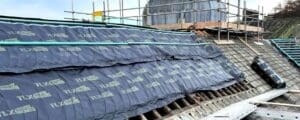

Pitched roof condensation can pose a significant risk to the structural integrity of a building as well as the health and safety of its occupants. While often overlooked, condensation is a hidden threat that can lead to moisture damage, mould growth, and even energy inefficiency. This blog post delves into the causes, risks, and preventive measures associated with condensation in existing pitched roofs.
Understanding Condensation in Pitched Roofs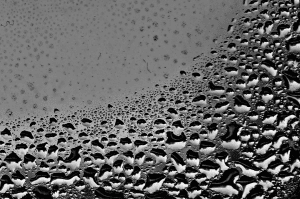
Condensation occurs when warm, moist air comes into contact with a cold surface. In pitched roofs, this typically happens when internal warm air meets the cooler surfaces of the roof space, such as tiles, underlays, or structural elements. The issue is especially prevalent during colder months when temperature differentials are more pronounced.
There are two main types of condensation to consider:
Interstitial Condensation: This occurs within the layers of a roof structure, such as insulation or membranes, when water vapour becomes trapped and condenses.
Surface Condensation: This forms on the exposed surfaces of a roof, such as the underside of roof coverings or on rafters.
Risk Factors for Pitched Roof Condensation
Assessing the risk of condensation involves understanding the contributing factors:
| Ventilation Deficiencies: | Poor ventilation is one of the primary causes of pitched roof condensation. A lack of airflow prevents moist air from escaping the roof space, leading to its accumulation and subsequent condensation on colder surfaces. |
| Inadequate Insulation: | Insufficient or improperly installed insulation can exacerbate condensation problems. Gaps in insulation allow warm air to escape into colder roof spaces, increasing the likelihood of condensation. |
| Building Usage: | High indoor humidity levels caused by activities like cooking, showering, and drying clothes can elevate the risk of condensation. Buildings with poor moisture management systems are particularly vulnerable. |
| Roofing Materials and Design: | Modern roof constructions using non-breathable membranes can trap moisture, while older roofs may have inadequate thermal performance. Complex roof geometries or flat valleys may also hinder effective drainage and ventilation. |
| Climate Conditions: | Condensation risks are heightened in regions with colder climates or during winter months due to the greater temperature differential between the inside and outside of the roof. |
Impacts of Pitched Roof Condensation
Failing to address condensation can lead to a range of problems, including: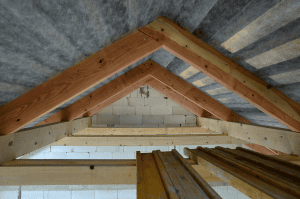
Structural Damage: Prolonged exposure to moisture can weaken timber rafters, battens, and other structural elements, leading to potential structural failure.
Mould and Fungal Growth: Persistent damp conditions create an ideal environment for mould and fungi, which can pose health risks to occupants.
Damage to Insulation: Moisture-laden insulation loses its thermal performance, leading to higher energy bills and reduced comfort.
Aesthetic Damage: Condensation can lead to unsightly staining on ceilings and walls below the roof structure.
Preventing Condensation in Existing Pitched Roofs
Effective condensation prevention involves addressing both the symptoms and root causes. Here are some best practices:
Improve Ventilation
- Install roof vents, ridge vents, or soffit vents to enhance airflow within the roof space.
- Use passive or mechanical ventilation systems to ensure a continuous exchange of air.
- Avoid blocking existing vents with insulation or debris.
Enhance Insulation
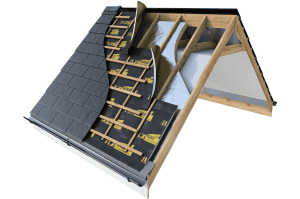
- Install high-quality insulation with the correct thickness and thermal properties.

- Ensure insulation is fitted snugly, without gaps that allow warm air to escape into the roof space.
- Avoid compressing insulation, as this can reduce its effectiveness.
Control Indoor Humidity
- Use extractor fans in moisture-producing areas, such as kitchens and bathrooms.
- Consider using a dehumidifier in spaces prone to high humidity.
- Maintain indoor humidity levels below 60% using hygrometers to monitor conditions.
Use Breathable Roofing Membranes
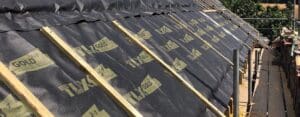
- Replace non-breathable underlays with modern, breathable membranes that allow moisture vapour to escape while keeping rainwater out.
Address Structural Issues
- Seal gaps around pipework, cables, and other penetrations to prevent warm, moist air from entering the roof space.
- Check for and repair leaks in the roof covering or flashing to prevent water ingress.
Regular Maintenance
- Conduct regular inspections of the roof to identify signs of condensation, such as water stains, mould, or damp insulation.
- Ensure gutters and downpipes are clear and functioning to prevent water buildup around the roof.
Retrofitting Solutions for Existing Roofs
For older buildings with pitched roofs, retrofitting can be an effective way to manage and prevent condensation. Solutions include:
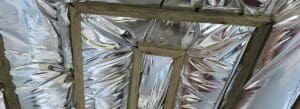
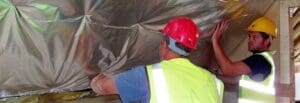
Installing Vapour Barriers: Adding a vapour barrier beneath insulation can help prevent warm air from reaching cooler surfaces.
Adding Insulated Plasterboard: This can improve thermal performance and reduce the likelihood of condensation on interior surfaces.
Upgrading Ventilation: Retrofitting roof ventilation options, such as tile or ridge vents, can significantly reduce moisture accumulation.
Conclusion
Condensation in pitched roofs is a complex issue that requires careful assessment and proactive prevention. By understanding the risk factors and implementing appropriate measures¬â€including improved ventilation, enhanced insulation, and regular maintenance¬â€homeowners and building managers can protect their roofs from damage and ensure a healthy indoor environment.
Addressing condensation is not merely a matter of comfort but also a critical step in preserving the longevity and integrity of a building. With the right approach, even existing pitched roofs can be made resilient against this pervasive problem.
Looking for a Custom Solution?
We’d be happy to help. Our knowledgeable team is ready to assist with tailored solutions and U-value calculations. Just give us a call at 01204 674730. Additionally, our LABC-approved solutions guide offers a variety of pre-calculated options¬â€download your free copy from the footer below.