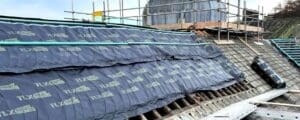

When fixing roof leaks and damage – any moisture issues must be addressed also, or insulation won’t work properly. The right style of pitched roof insulation can provide your home with an array of benefits. However, there is a huge choice of insulation to choose from. So how do you know which is the right solution for your home? To help, we have taken a closer look at the various types of pitched roof insulation and how you can benefit.
Heat Loss Through Roofs
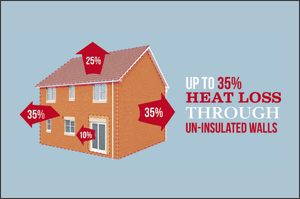
As much as 25% of the heat in a home is lost through its pitched roof. This is
considerable since the roof makes up a large portion of a home’s external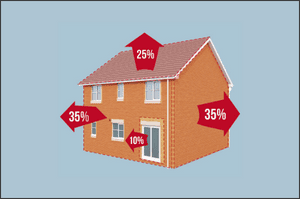 surface area. Heat rises and is readily able to escape through the roof if not properly insulated.
Reducing heat loss through the roof is critical for energy efficiency. Without insulation, warm air inside the home easily conducts through the roofing tiles or slates and then convects and radiates into the outside air. This wastes huge amounts of energy required to heat the home in winter. It also leads to higher energy bills as the boiler must work harder to maintain a comfortable indoor temperature.
Insulating pitched roofs should be a top priority to prevent unnecessary heat loss through the roof. Focusing efforts here can make a dramatic difference in improving the energy efficiency of the entire home. With proper insulation, the roof can be transformed from a source of major heat loss to an effective thermal barrier keeping warmth inside the house.
What are the Benefits of Pitched Roof Insulation?
Insulating a pitched roof reduces heat loss and dramatically improves a home’s energy efficiency. Studies show that up to 25% of a home’s heat is lost through the roof. This is because heat rises and easily escapes through the roof if not properly insulated. By installing quality pitched roof insulation, homeowners can reduce this heat loss and stop wasted energy.
Proper insulation creates a thermal barrier that prevents warm air from escaping in winter and hot air from entering in summer. This regulation of heat flow keeps interiors at comfortable temperatures while reducing energy consumption.
Types of Pitched Roof Insulation
There are several types of insulation commonly used for pitched roofs, each with their own advantages and disadvantages. Understanding the options allows homeowners to select the best insulation solution for their home.
PIR boards
PIR boards are rigid panels made from foam and facers that are installed between roof rafters.
Benefits:
| Excellent thermal performance – provides high R-value insulation. |
| Can span gaps between rafters. |
| Withstands moisture. |
| Easy installation. |
Disadvantages:
| More expensive than some other insulations. |
| Requires careful sealing to prevent gaps. |
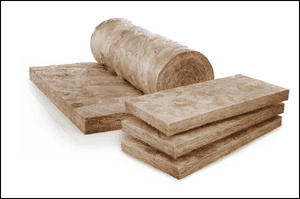
Mineral Wool
Mineral wool insulation comes in rolls or slabs made from fibres of glass, stone or slag.
Benefits:
| Fire resistant and non-combustible. |
| Handles moisture well. |
| Available in ranges of thickness. |
Disadvantages:
| Lower R-value per inch than other insulations. |
| Can be irritating to skin during installation. |
| Dense so needs cutting to fit spaces. |
Spray Foam
Spray foam insulation is applied by professionals as a liquid that expands and hardens to seal spaces.
Benefits:
| Excellent air sealing ability. |
| Fills gaps and crevices evenly. |
| Customisable installation. |
| High R-value. |
Disadvantages:
| More expensive than other insulations. |
| Needs special equipment and installer skill. |
| Can be messy. |
 |
 |
 |
This overview of the main pitched roof insulation types and their benefits and disadvantages allows homeowners to make an informed decision based on their specific needs and budget. Professional advice is also recommended for choosing the right insulation.
Multifoil Insulation Provides Complete Thermal Protection
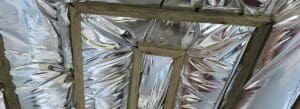
Multifoil insulation is a hybrid insulation solution that combines reflective foil and traditional insulation materials. This enables it to provide complete thermal protection by controlling all three methods of heat transfer – radiation, convection, and conduction.
The reflective foil layer works by reflecting heat back into the room instead of letting it escape through the roof. It also provides a radiant barrier that reduces heat transfer through radiation. The insulation layer then controls heat transfer through conduction and the air pockets between the foils prevent convective heat losses.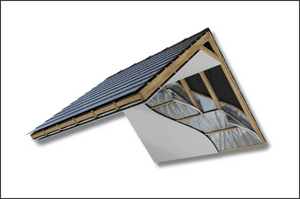
This comprehensive approach allows multifoil insulation to fully optimise energy efficiency. Homeowners can achieve insulation performance that meets and even exceeds the stringent building regulations for heat loss. With its excellent thermal performance, multifoil enables houses to attain the highest ratings needed for energy efficiency certification.
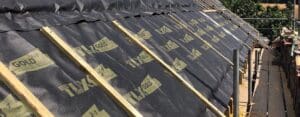
By providing complete control over all three methods of heat transfer, multifoil insulation enables roof spaces to become thermally efficient. This makes it an ideal solution for new builds aiming to meet the highest energy efficiency standards. The ability to precisely achieve the required insulation levels gives homeowners confidence that their house will meet regulations.
Proper Installation is Essential
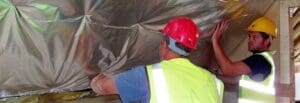
Installing pitched roof insulation correctly is critical to ensure it performs as intended. Common mistakes to avoid include:
| Forgetting to maintain adequate ventilation – proper airflow prevents condensation build-up. |
| Cutting corners on sealing edges – gaps let heat bypass the insulation. |
| Installing the wrong thickness – match insulation thickness to space available. |
| Using wrong fasteners – long enough to secure insulation without compressing it. |
| Not extending insulation far enough – should cover entire ceiling. |
| Not fixing roof leaks and damage first – any moisture issues must be addressed, or insulation won’t work properly. |
To install pitched roof insulation properly:
| Repair any roof leaks and damage before starting. |
| Check current ventilation meets building standards. |
| Use the right insulation thickness to fill the rafter depth. |
| Seal edges carefully with tape to prevent thermal bridging. |
| Fasten securely without compressing material. |
| Extend insulation to cover the entire ceiling area. |
While DIY is possible, hiring a professional insulation installer is recommended to ensure proper techniques are used. Their expertise and attention to detail will maximise insulation effectiveness.
Why Insulate Your Pitched Roof?
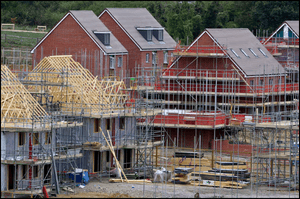 Installing pitched roof insulation provides multiple benefits for homeowners. As discussed, it significantly reduces heat loss through the roof and improves a home’s energy efficiency. This in turn lowers energy bills and provides more comfortable living spaces. Ultimately, pitched roof insulation is a smart investment that pays off in energy savings and increased home value over time. It helps meet building regulations and keeps homes comfortable.
Do you Require a Bespoke Solution?
We would love to hear from you. Our helpful team of product experts are on hand to help with bespoke solutions and U-value calculations. Simply call 01204 674 730. Also, our LABC-approved solutions guide has a wide range of pre-calculated solutions. You can download your free copy from the footer below.