
4 Minute read
- Selecting the correct type of roof insulation is critical in achieving the correct U-Value
- Some materials complement each other, some do not, so it’s important to understand which work well together
Types of Roof insulation explained
There are many different types of roof insulation. They fall under two different categories: traditional and modern. Traditional materials such as PIR and mineral wool have great thermal resistance and are available in various thicknesses – the thicker they are, the better thermal performance is achieved. PIR board is highly reflective and holds air still, while mineral wool has an excellent fire resistance and acoustic benefits.
However, they can be very bulky and extremely difficult to install. PIR in-particular is notoriously difficult to cut to shape so that it fits perfectly in-between the rafters; even the most seasoned of roofers and meticulous measurers may struggle to achieve a perfect fit and guarantee airtightness. Mineral wool also has its drawbacks, as it can be unpleasant to handle and has varying degrees of performance depending upon the amount used. So, the trick is to utilize a product which can manage these drawbacks.
 Enter Multifoil Insulation
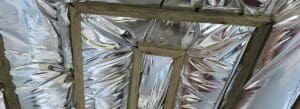
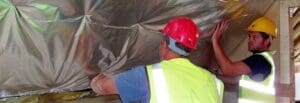
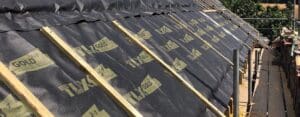
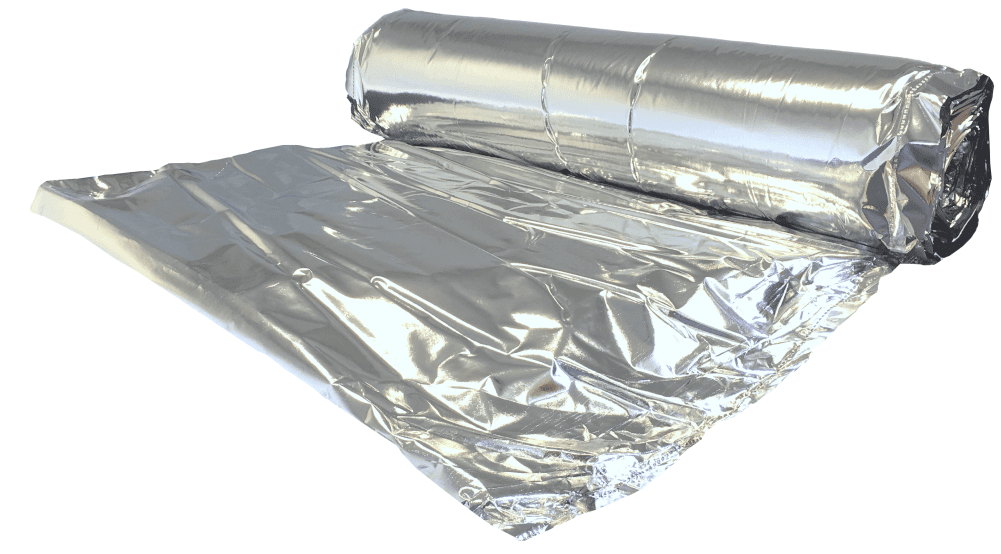
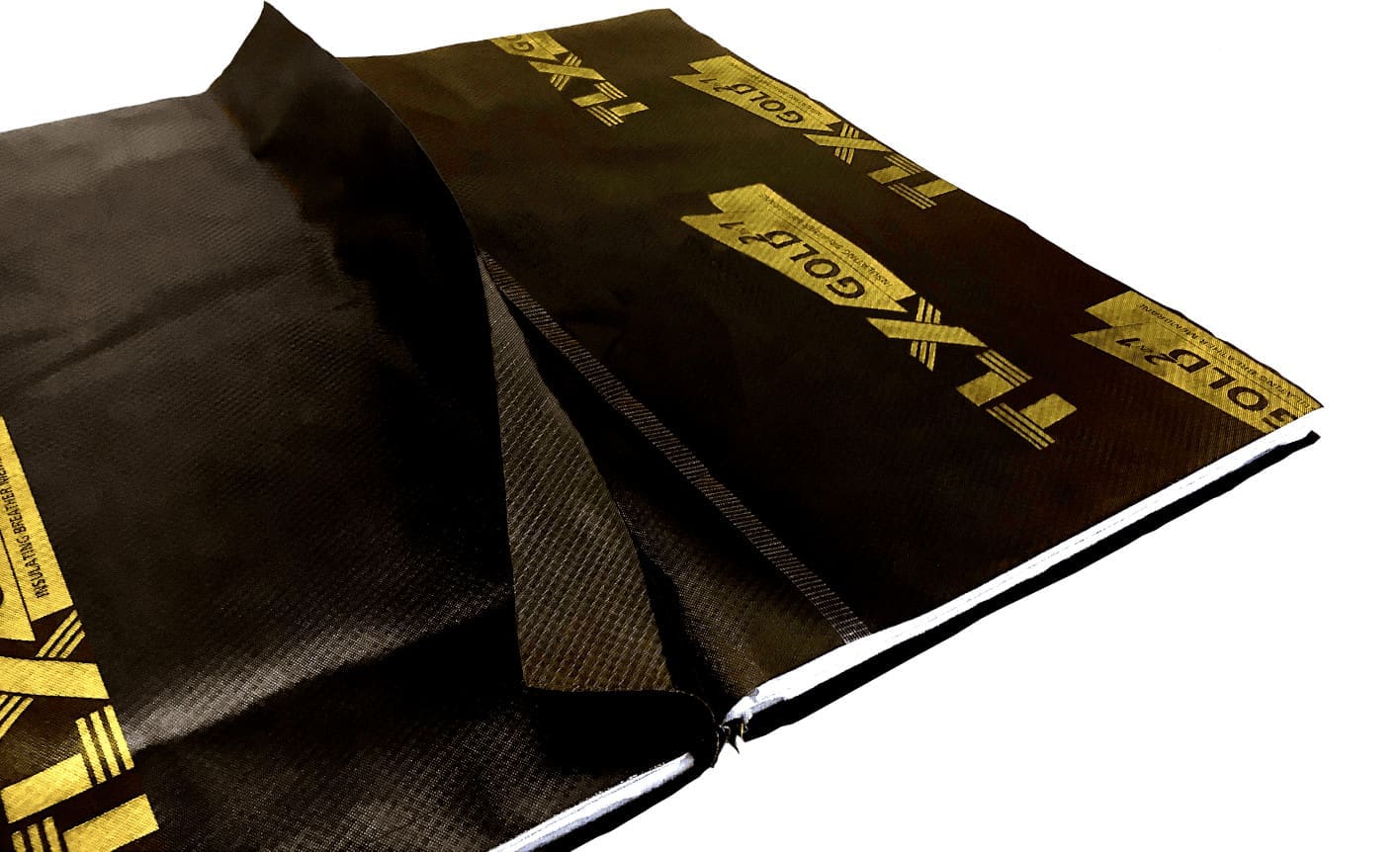
The use of a multifoil can help to reduce the impact of the drawbacks associated with traditional forms of insulation as described above. Our TLX Silver and TLX Gold multifoils control all three types of heat transfer, convection, conduction and radiation, are fully airtight and are quick and easy to install, simply draped over the top of the rafters or rolled out underneath the rafters.
TLX has found the optimum multifoil thickness to be 30mm. Any thinner and you would lose significant thermal benefits. However, a thicker material gives limited additional performance. Striking the right balance between thickness and performance is critical to ensuring the multifoil performs to its optimum degree. Our TLX Silver and TLX Gold utilize layers of static air on either side of them. This affects the R value of the air and the U value of the overall structure.
The problem:
With building regulations becoming more and more stringent, it is becoming increasingly harder to achieve current standards. No single material alone can achieve 0.18w/m2k. Especially when it comes to retrofitting insulation in an old roof. The old housing stock of the UK is wonderful in many ways. There are many different types of building techniques and interesting character features, although this makes it extremely difficult to retrofit insulation as there isn’t a ¬Ëœone solution fits all’ system.
How does roof insulation work?
 The Solution:
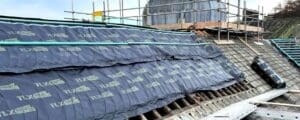
Use a hybrid system of insulation, combining multifoils with PIR or mineral wool to achieve current building regulation standards. Additionally, the various layers of the buildup interact to achieve a dynamic system. This system is responsive to fluctuations in internal and external conditions.
How much roof insulation do I need?
This very much depends on the U value you wish to achieve. TLX Silver and TLX Gold are laid under or over the rafters respectively, with varying thickness of additional PIR or mineral wool as needed to achieve the desired U value. For example, draping TLX Gold over 185mm rafters at 400mm centers, with 125mm of PIR board in-between achieves 0.18w/m2k.
Which roof insulation is the best?
TLX Silver and TLX Gold are BBA approved providing peace of mind they are trusted products. You can use them alongside additional insulation to achieve U values as low as 0.13w/m2k in a standard roof. Our LABC Approved Solutions guide [available to download below] has an abundance of build up recommendations for different roofing projects from loft conversions to flat roofs, new builds to barn conversions.
Read our case studies which demonstrate the above principles in practice