4 Minute read
-
Managing condensation risk is extremely important to maintain the integrity of the structure over time
-
We discuss some simple solutions available to mitigate condensation risk
-
How managing condensation risk in pitched and flat roofs differs
What causes condensation in a roof?
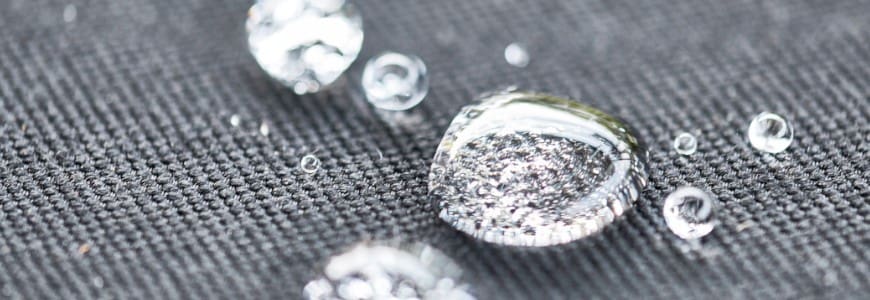
Changes in the temperature profile of a roof can cause condensation. When hot air meets cold air, the air particles can’t hold onto suspended water molecules. Therefore droplets of water form on surfaces. The average household generates an estimated 15 litres of water vapour per day. Throughout the day, the warm air containing water vapour will rise towards the roof and if there is no clear service channel for this water vapour to escape, when met with the cold air within the roof space, condensation will occur, causing moisture in the roof space.
 How to prevent condensation
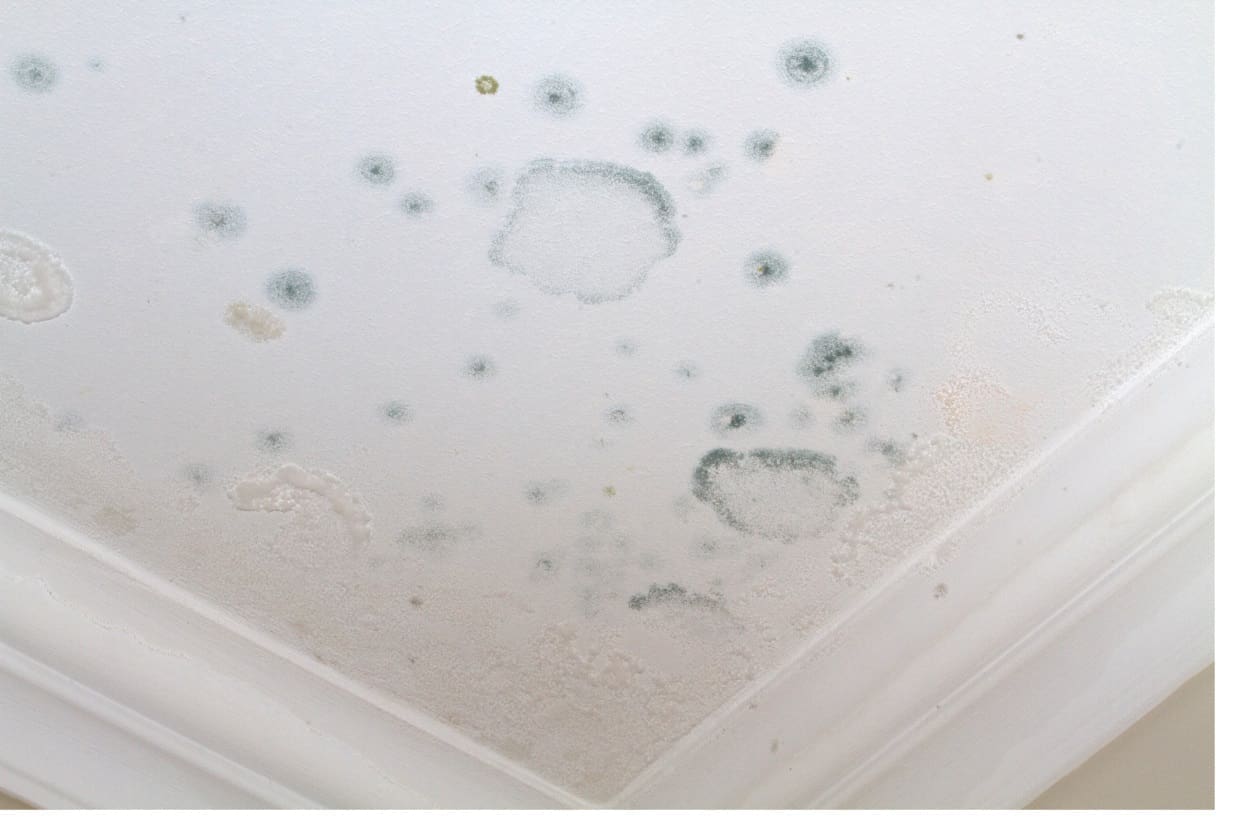
Condensation can be very difficult to reverse, especially if it left unnoticed for a prolonged period. Not only is it unsightly, but it can also cause rotting of timbers. This can be very costly to repair and can have hazardous structural implications. There are various steps one can take to limit the chances of condensation, such as the use of extractor fans and avoiding drying clothes indoors. Position insulation and ventilation carefully to manage the condensation risk before any issues begin to arise.
How can TLX help to manage condensation risk?
TLX Silver and TLX Gold multifoil insulation improve the thermal performance of a building whilst preventing condensation risk. You can manage this in different ways for each of our products.
Preventing condensation with multifoil insulation
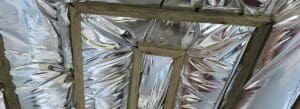
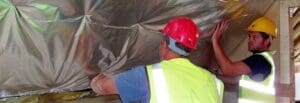
Installing a good vapour barrier underneath the rafters in a roof will prevent warm air from entering the roof void from below. Multifoil insulation has shiny, reflective layers to keep heat inside the building, ensuring no risk of condensation. It is also the optimum thickness at 30mm, which allows it to provide the best thermal performance without compromising on space. TLX Silver is completely airtight, meaning there is no risk of water vapour rising into the rafter space and therefore no risk of condensation if installed in accordance with our approved detail.
How can TLX Gold help?
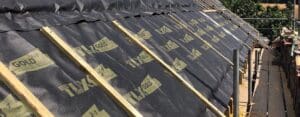
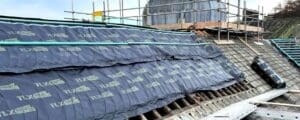
TLX Gold the 2 in 1 insulating breather membrane is installed above the rafters within a roof. You can either drape it, or pull it taut and counter batten. The fully breathable, shiny under surface faces inwards with an optimum 20mm unventilated air gap underneath to ensure the reflection of heat. Whilst occupying the coldest part of the temperature profile, water vapour entering the rafter space can escape through the breathable layers of TLX Gold and transported out of the building before it is able to cool and condense.
The air gap debate?
You may be wondering, if a 50mm ventilated air space is required below non-breathable felt, why then does TLX Gold require a 20mm unventilated air gap underneath it? Well, the breathable under surface of TLX Gold enhances the core R value of the air layer next to it when heat is reflected across it. When these two layers interact, it improves the U value.
Since TLX Gold is breathable, water vapour does not require a channel to escape the roof as it can pass through the layers of the multifoil into the tile batten space above and out through the tiles. Ventilation is only required above TLX Gold where the tiles are non-breathable, to prevent condensation occurring between the tiles and the upper surface of TLX Gold.
Preventing Condensation in a flat roof with TLX Silver multifoil insulation
Insulating a garage or a shed roof? Or perhaps you are planning to construct a flat roof dormer in your upcoming loft conversion and need to be assured of the condensation risks before attempting the work? Insulating a flat roof can be tricky because they typically lose more heat than their pitched counterparts. Take extra care when tackling insulation in this setting. Ensuring an airtight, thermally efficient structure with the minimal risk of condensation. Condensation within a flat roof can cause significant damage. Plus, it can lead to rotting of timbers and can affect the performance of insulation within the roof structure. It is critical to limit condensation risk of which installation plays an important role.
How to approach a flat roof with Multifoil insulation?
Our recommended build up for a traditional flat roof system is to install TLX Silver beneath the rafters. Ventilation goes below the felt and timber deck. Fix addition insulation between the rafters to enhance the U value and maintain the unventilated air gap. TLX Silver is a 2-in-1 vapour barrier and multifoil insulation, preventing moisture from entering the roof space from the inside. It provides a completely airtight layer, meaning there is no risk of surface or interstitial condensation. TLX Silver has reflective outer layers, reflecting heat back into the building. This contributes to the overall energy saving efficiency.
Why is ventilation so important?
Building regulations require a minimum 50mm ventilated air layer beneath the timber deck. This is vital as it protects the roof space from extreme temperature variations which can result in moisture build-up.
On the warm side of the roof, TLX Silver keeps the system airtight and therefore contributes to the prevention of condensation. The reflective surfaces enhance the R value of the air layer next to it. Therefore unventilated air layers on either side of TLX Silver maximise the thermal performance of the structure. To do this secure TLX Silver with 38x38mm battens; setting them crosswise will in turn limit the degree of thermal bridging. Inserting PIR board in-between the rafters helps maintain the ventilated air above and protects the unventilated air layer below it.
How long does it last?
TLX Silver is BBA certified and has a lifespan equivalent to that of the roof structure in which it is incorporated.
For more information, our LABC Approved Solutions guide offers a variety of build-up recommendations and U value calculations. If your requirements are bespoke, our team of product scientists can help. Call our thermal hotline, 01204 674 730.