
2 Minute read
-
Vapour control in a loft conversion scenario
-
How to use an insulating vapour barrier to control condensation
Using in new builds is a given, but what about loft conversions?
In a new build situation the use of a vapour control layer under the plasterboard is considered essential. However, homeowners carrying out loft conversions may not appreciate quite why, if they didn’t need one previously, they do now.
10-15 litres of water vapour a day?
 The average family produces around 10-15 litres of water vapour every day from domestic activities such as cooking and washing, and much of this ends up migrating upwards into the loft space through the ceilings. A cold, ventilated loft sweeps this away by the ventilation. Outside air enters and humid air leaves and there is no build-up of moisture. When the ceiling follows the rafter line and the insulation is at rafter level, however, this water vapour can pass through the plasterboard “ either directly through gaps or by diffusion through the plasterboard itself “ and end up in the rafter space. On the cold side of the insulation it is now much colder than inside the heated loft room. Yet the air is carrying the same amount of water vapour. But because cold air can’t carry as much moisture as can warm air, condensation may occur. This interstitial condensation – so called because it occurs in the interstices or spaces between the rafters – can lead to mould growth and long-term damage to the structural timbers.
Start by stopping the moisture from entering the rafter-space:
So if you can stop the moisture getting into the rafter space in the first place “ by having a vapour control layer that will both prevent air movement and block the passage of water vapour “ then condensation will be prevented from occurring.
What about vapour barrier insulation?
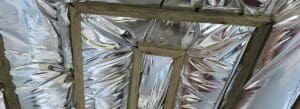
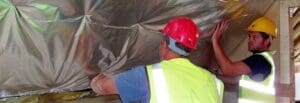
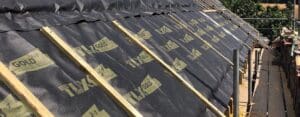
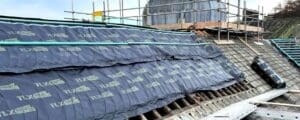
Multifoil insulation is excellent vapour barrier insulation “ as good as commercially available high performance vapour control layers, and much better than foil-backed plasterboard “ and is UK CE marked too. The same condensation concerns apply to walls, of course, and TLX Silver has BBA Certificates for its use both in pitched roofs and walls. Fitting TLX Silver and taping the joins with foil tape will ensure an airtight and vapour-tight barrier. This will guarantee that moisture won’t enter the rafter space.
Because TLX Silver is secured with a 38mm deep batten, a 20mm air gap is created between it and the plasterboard, allowing heat to be reflected back into the room. An extra bonus is that you can use this gap as a service cavity to run wiring through. Thereby avoiding the need to remove sections from either the insulation or plasterboard to accommodate it.
There’s more to a choice of insulation than just getting the right U value!
Find further information on how we can help you manage condensation risk HERE