4 Minute read
-
Managing condensation risk in a property is essential
-
How and where to install a vapour control layer detailed below
-
Multifoil insulation can not only help to insulate, but mitigate the risk of condensation
Why are Vapour Control Layers so important?
Mitigating the risk of Condensation within a building is an extremely important step when building or roofing a property. Just a little condensation can quickly turn into a very expensive problem to fix. It can rapidly worsen if left untouched, so it’s worth it to invest time and money ahead and prevent this damage from happening. One way to protect your building and reduce the chance of damage is by using a Vapour Control Layer, or VCL. Keep reading to learn more about vapour control layers, why they are so important and how multifoil insulation can be used in the prevention of condensation.
 What makes a good Vapour Control Layer?
A Vapour Control Layer is material that keeps warm, moist air from moving into the building from the interior. It usually goes behind or below the insulation and keeps any nearby moisture at a manageable level. Small amounts of vapour will evaporate without any problem thanks to the porous nature of bricks. Some vapour barriers work better than others depending on the composition. You can measure the effectiveness of material by its permeability rating, or how easily moisture and vapour can pass through each substance. Materials like polyethylene, aluminium foil, polyamide film, and latex vapour barrier paints all have very low permeability ratings, meaning they are the most effective.
Where to install a Vapour Control Layer
When you put insulation into a building’s walls or roof, you make a cold space between the insulation and the outer structure where interstitial condensation can build up. To prevent this, you put your VCL behind the insulation, preventing any warm air that makes it through from getting into that cold space.
Vapour Control Layers in walls:
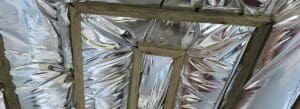
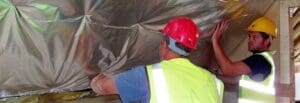
Our TLX Silver multifoil insulation is a 2-in-1 insulating vapour control layer and can be secured to the inner face of the stud with the insulation fitted between the studs. Secondly, you will need to seal joints with single sided foil tape. It’s extremely important to seal everything completely, not just sections of the TLX Silver. Seal the joints where your VCL meets adjoining walls. Screw plasterboard to the studs and finish the wall once correctly sealed. You’ll want to be extra careful about the joint between the bottom of the plasterboard and the seal.
Vapour Control Layers in roofs:
Installing a Vapour Control Layer in a roof or loft space is similar to installation in a wall. Multifoil insulation can be secured to the underside of the rafter with 38x38mm battens set crosswise to minimize thermal bridging. Secure additional insulation in-between the rafters. Leaving an unventilated air gap between TLX Silver and rigid insulation creates a layer of warm unventilated air. This will contribute to the insulation build-up as static air is a good insulator. A breathable membrane above the rigid board encourages air flow.
A Vapour Control Layer is a step you can’t skip
Vapour damage, like all water damage, is a serious problem you don’t want to find yourself up against. By introducing a vapour control layer, you can protect yourself from the stress and cost associated with condensation. It is incredibly important to invest in a high quality and trustworthy Vapour Control Layer because it handles any moisture threatening to damage your hard work.
Preventing condensation using multifoil insulation
We understand mitigating the risk of condensation can be a demanding task. We have over 20 years of experience in multifoil insulation and are eager to help. Our TLX Silver and Gold multifoil insulation perform very different jobs within the structure of a building but each have distinct properties to effectively reduce condensation risk whilst saving on space.
1. Working from the inside.
Opting for TLX Silver is a great space saving solution because it performs 2 jobs in 1; it is an excellent vapour barrier, but it also contributes to the thermal energy saving of the building with its shiny heat reflective surfaces.
2. Working from the outside.
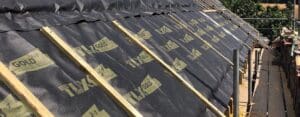
If you are using Gold installed above the rafters, an additional Vapour Control Layer below is not necessary. This is due to the following:
1. An insulating vapour barrier is extremely breathable.
2. This allows water vapour to pass straight through it and into the tile space above.
3. TLX Gold can be installed above the rafters.
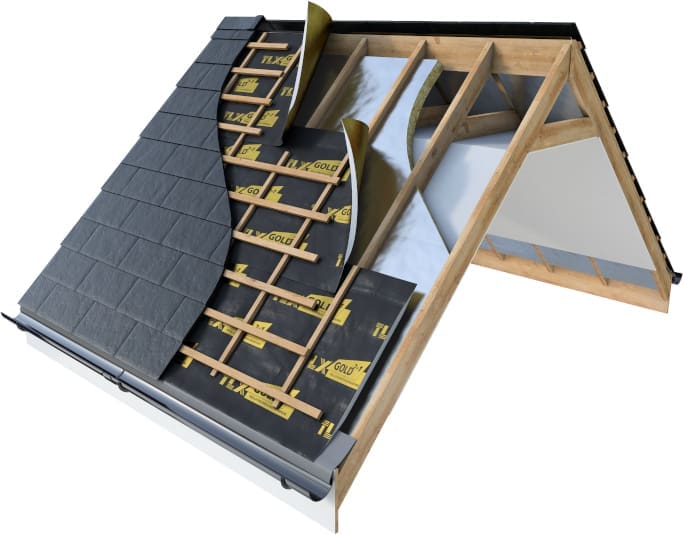 Since Gold occupies the coldest part of the temperature profile, its shiny breathable under surface keeps the static air beneath it warm enough to prevent a dewpoint occurring, therefore minimizing the risk of condensation.
Multifoil insulation is the perfect thickness for optimum performance but also completely airtight to minimize the risk of condensation building up inside of your roof or wall. TLX Silver and TLX Gold can also be used alongside additional insulation in order to achieve extremely low U values. They are BBA certified and have LABC Approved Solutions, giving peace of mind that they are trusted. Our multifoil insulation is used in many different roofing projects like loft conversions, flat roofs, new builds, pitched roofs, barn conversions, and more.
Further reading on this subject can be found HERE
Check out our case studies demonstrating these principles in practice HERE